Hummmmmmmmm

You may have noticed, on your treks up the Overlook Trail, that we have some fuzzy friends living in the base of a multi-trunk tree on the left just beyond the main trail/Rattlesnake Cutoff Trail junction.  These European honey bees, also known as Western honey bees (Apis mellifera), are the most common kind of honey bee and are a generally docile sort with a placid temperament, only stinging when threatened.

Like all honey bees, European honey bees are extremely social, creating colonies of up to tens of thousands of bees, sometimes as high as 40,000 to 80,000.  A hollow tree is an ideal habitat.  The bees build intricate wax structures within to house food and their cooperatively raised brood.  Colonial activities are organized via complex communication between individuals, untilizing both pheromones and the waggle dance!

So, enjoy the buzz as you go by and leave them bee.  Considering that bees worldwide are seriously threatened by pests, diseases and pesticides, we count ourselves lucky to host these little friends.

Read more at iNaturalist.

Sssssss…Cicadas!

Cicadas are singing on the Overlook! Plus, the wildflower explosion continues, so come on over and have an Out of Africa moment.

Tick, tick, tick….

The recent refreshing rain likely to have rejuvenated more than just our local waterways:

“…for someone hiking, ticks will have gone from practically zero a couple of weeks ago to being out…and their numbers will probably be increasing through January.”
https://www.pressdemocrat.com/article/news/rain-is-about-to-set-off-the-tick-time-bomb-in-california/

A few tips from the American Hiking Society:

  • Determine risk: Spring and early summer are high-risk for ticks because ticks are in an earlier stage of their development, called “nymphs.” Nymphs often carry heavier loads of disease-causing pathogens, and are smaller and harder to spot. Tall grass and brush are higher-risk, too, because ticks can easily climb on to hikers.
  • Wear long and wear light! Wear long-sleeve shirts and long pants of a light color. Lighter colors seem to attract fewer ticks and make the ones that do end up on you easier to spot. Lightweight nylon or polyester garments are almost as cool as shorts and protect from the sun as a bonus!
  • Seal the cracks. Tuck your shirt into your pants and tuck your pants into your socks. Gaiters can add an additional level of protection and keep small rocks and dirt out of your shoes too.
  • Repel invaders! Consider treating your clothing with a persistent repellent chemical called permethrin. This substance, applied to clothing, repels ticks and biting insects for up to 2 weeks. Some clothing comes already coated with this deterrent. Apply an additional repellent to all exposed skin.
  • Wash your hiking clothes. As soon as you get off the trail, wash your hiking clothes and dry them in a hot dryer for an hour. The heat will kill any ticks.
  • Tick check. Showering within two hours of leaving the trail will help wash off any ticks which haven’t latched on. Using a hand-held or full length mirror, take this time to check yourself for ticks, especially checking armpits, hair, ears and behind the ears, belly button, behind the knees, and groin. Be sure to also thoroughly check your children and pets.
  • Remove any ticks. If you do happen to find a tick on yourself, do not use the old trick of poking the tick with a hot match head until it comes out. Do use tweezers and grab the tick as close to the skin as possible and slowly pull it out. If you can’t grab the head in the first go, make sure to pull it out before washing the bite with a disinfectant. View the CDC’s easy-to-follow tick removal instructions and pictures.
  • Stay vigilant. If you develop a fever, rash, muscle and/or joint aches, flu-like symptoms or become ill, be sure to mention to your doctor possible tick exposure. Lyme disease is very serious and can cause permanent damage in bones and the nervous system. Tick bites that develop a bulls-eye ring are infected and should be treated immediately.

Read more….

If you find that you have been bitten by a tick, save the insect after removal and submit it to Sonoma County Department of Public Health for Lyme testing:
https://sonomacounty.ca.gov/Health/Public-Health/Laboratory/Lyme-Tick-Test/

New Trail Video

Sonoma Overlook Trail & Montini Preserve from Roy Tennant on Vimeo.

Tick Season is Here!

This week I found the first tick of the season crawling up my pants. In my experience, ticks are more prevalent in the wet period of winter and spring than they are in summer. Therefore, you will need to be vigilant for ticks for the next several months at least.

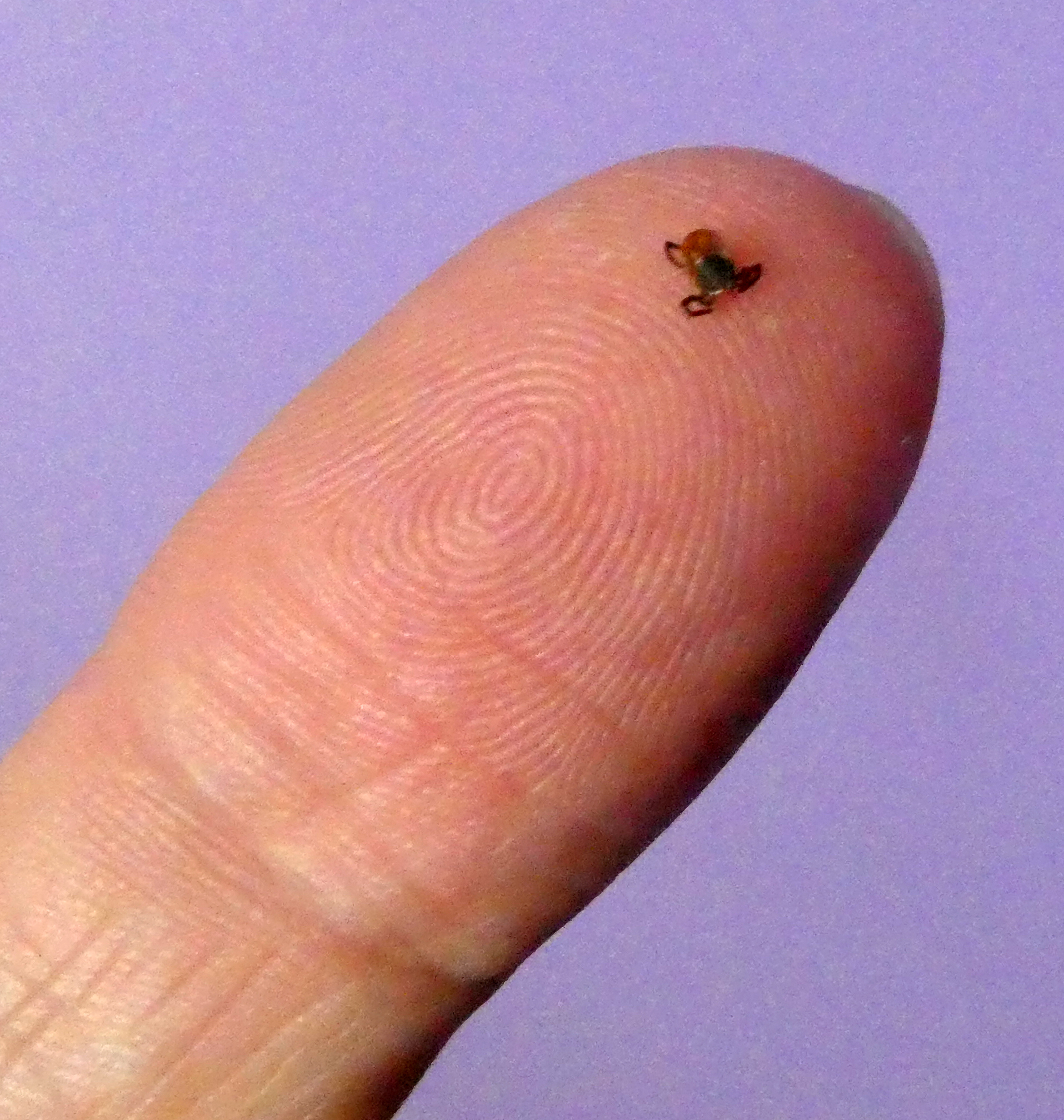
And being vigilant can be hard, as they can be quite small (see picture). When you’re inspecting yourself, look for any small dark dot. It’s good to look over yourself and your companions once you’ve left the trail. Even better, take a shower after your hike, so you can do a thorough body check. Try not to brush against trail vegetation, as they like to sit on the ends of grasses to get on you as you brush by.

Finally, if you do get bitten, extract the tick carefully with tweezers, put it in a small ziploc bag with a moistened cotton ball and send it in to have it tested for Lyme disease. I did this twice last year and thankfully neither tick had the disease. However, I tend to have a serious reaction to the tick bite if it has been in me for longer than an hour or so, which includes pain, itching, swelling, and a temporary scar at the bite site (which can last for months).

So by far, the best strategy is to prevent yourself from getting bitten in the first place. Stay safe out there!