Coexisting with Rattlesnakes

Summer is prime time for hiking and exploring our gorgeous trails. As we do, it’s important to remember that we share these natural spaces with local wildlife—including the Northern Pacific rattlesnake.  Rattlesnake sightings are a natural part of our ecosystem, particularly at home in warm, dry parks with grasslands, woodlands, and rocky terrain.

While these snakes have a formidable bite, encounters are rarely dangerous. Rattlesnake bites are uncommon, and fatalities even more so. By understanding snake behavior and following a few basic safety rules, you can confidently and safely share the trail.

Spotting a Rattlesnake: What to Look For
With many snake species in our area, telling them apart can be tricky. Rattlesnakes have a few defining features:

  • A distinct, triangular-shaped head with a tapered neck.
  • A thick body with large scales.
  • A rattle at the end of the tail (although they sometimes lose their rattles).

No matter what kind of snake it is, give it a wide berth.

Rattlesnake Behavior

Midday Snooze

Rattlesnakes are ectothermic (cold-blooded), meaning they rely on their environment to regulate their body temperature.

  • In the morning: You might spot them stretched out on a sunny trail or rock to warm up after a cool night.
  • Midday: They seek shelter to stay cool. Avoid reaching under logs, rocks, woodpiles, or heavy brush.
  • Peak hours: While they can appear anytime, they are most active during the morning, dusk, and nighttime hours when they hunt for food.

What If You Come Upon a Snake?

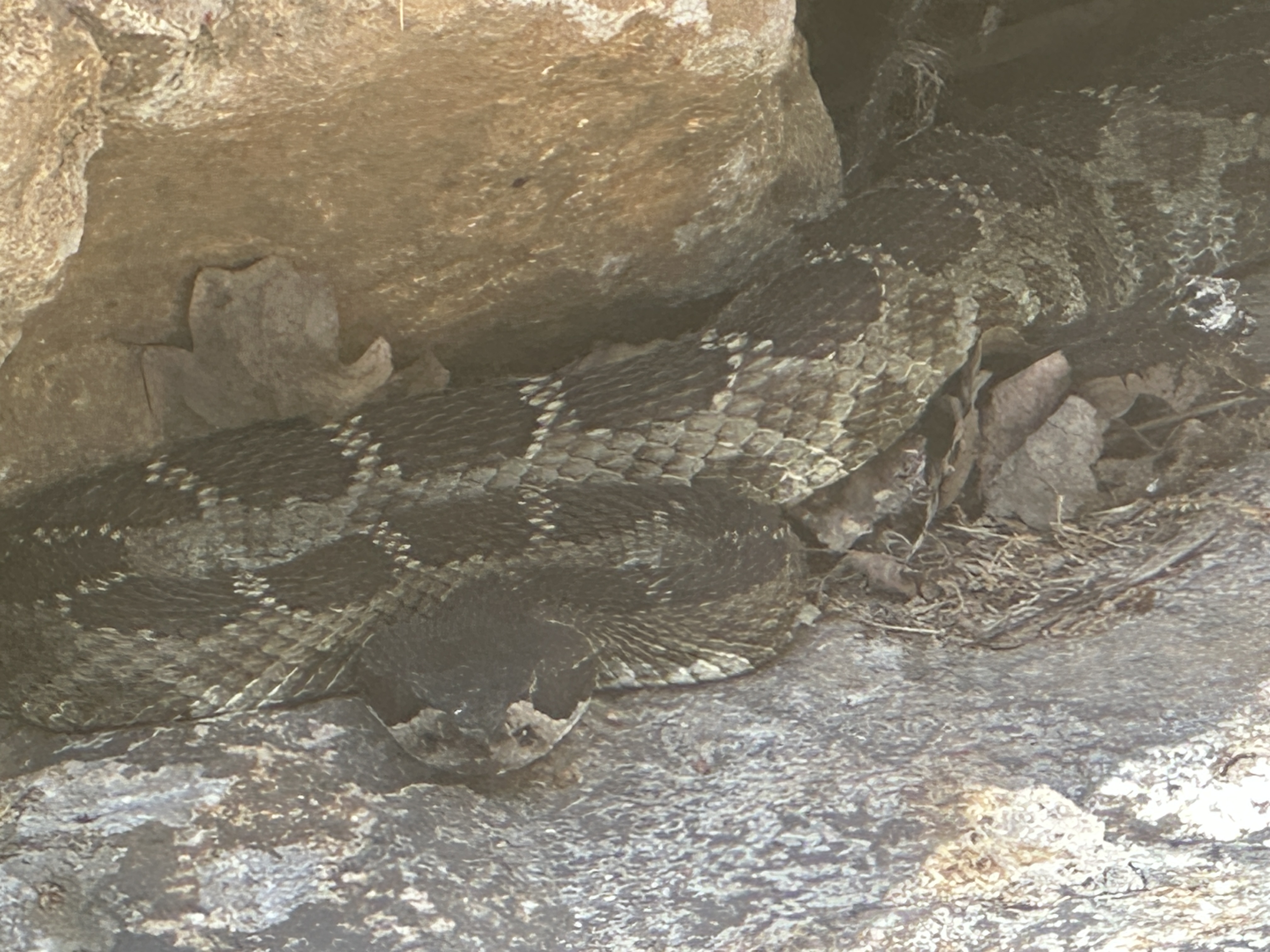
Rattlesnakes are not aggressive; they are shy creatures and prefer to avoid humans. They will may try to escape if they sense you, however, many snakes freeze and rely on their camoflage to protect themselves, so don’t assume that they will head off if they sense you coming.  If you see one on the trail, follow these steps:

  • Back away calmly. Give the snake plenty of opportunity and space to back off.
  • Do not agitate the snake. Never wave objects or poke at the snake with a stick—this is how many people accidentally get bitten.
  • Stomp your feet. Rattlesnakes don’t have external ears to hear shouting, but they are highly sensitive to ground vibrations. Stomping your feet from a safe distance signals your presence and may prompt them to move along.
  • A rattlesnake can strike across a distance of two-thirds of its body length. Try to maintain a distance of at least 10 steps away.

What if it won’t move?

If a snake refuses to move off, be patient and wait, or turn around. Do not attempt to step over or around it unless you can maintain a wide, safe distance. Keep your eyes on the snake; they can move surprisingly fast when motivated.

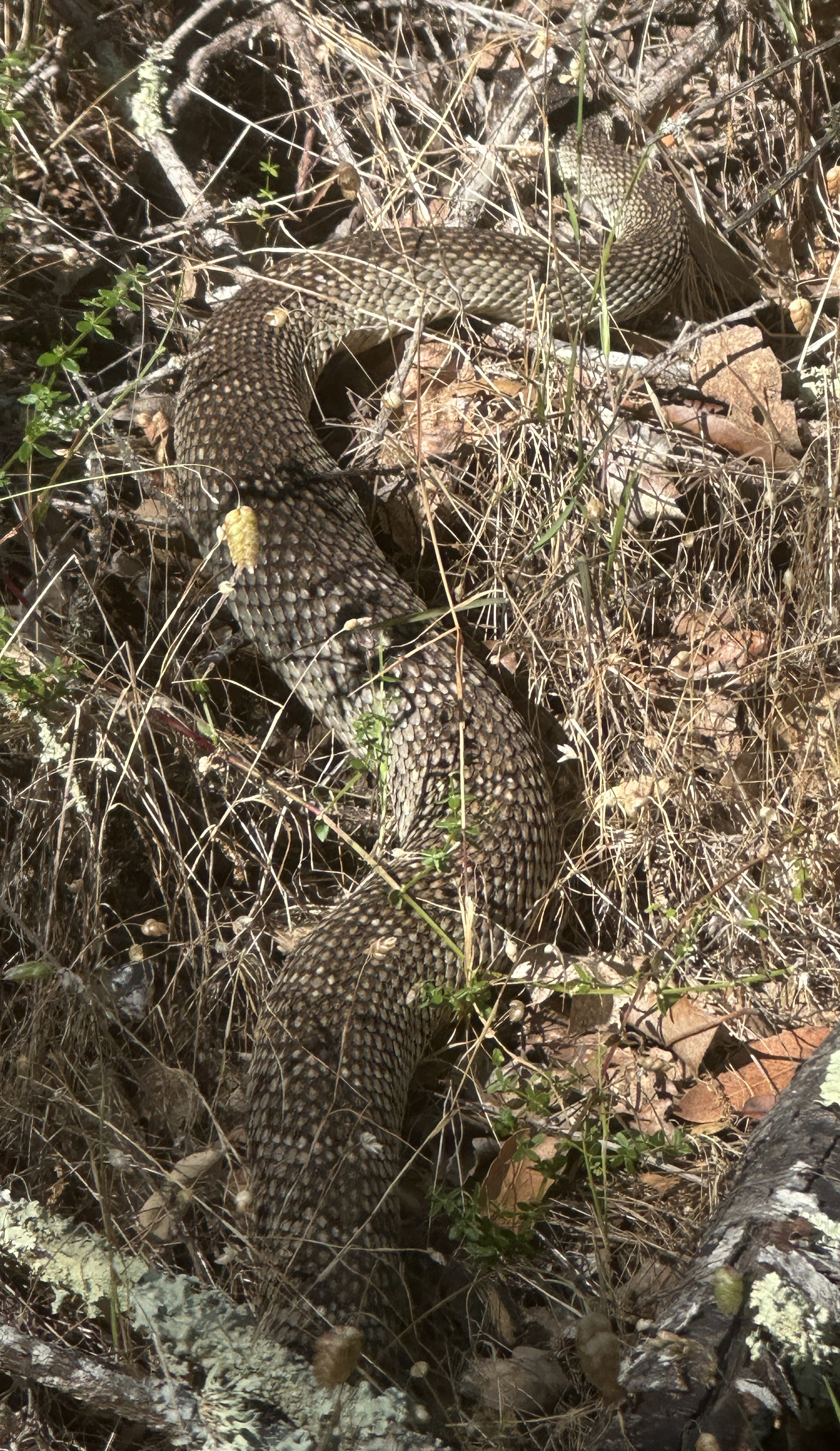
Snake Camo

Proactive Tips to Avoid a Bite

One study in California revealed that two-thirds of rattlesnake bites occur on the hands or arms, often affecting young men who were trying to handle or touch the snake.

To keep yourself safe, follow these trail rules:

  • Watch your step and grip: Always look exactly where you are placing your feet and hands.
  • Wear long pants and sturdy, closed-toe hiking shoes.
  • Stick to the trail: Avoid walking through tall grass, heavy underbrush or near rocks where snakes like to hide.
  • Never count on the rattle: A startled snake may strike without rattling first, and some snakes lose their rattles entirely.
  • Under the influence?  Many bites occur to folks who have been drinking.  Not only does the impulse control go down, but alcohol thins the blood and increases heart rate, causing venom to spread faster.

First Aid: What to Do If Bitten
If you are bitten, stay calm and act quickly. While rattlesnake venom can cause painful swelling, bruising, and tissue damage, modern antivenom is incredibly effective. Out of 39 million residents, California only sees about 300 reported rattlesnake bites per year.

Do:

  • Call 911 immediately and follow the dispatcher’s instructions.
  • Keep your heart rate low.  Increased exertion spreads venom faster through the body.
  • Remove restrictive items like rings, watches, or tight bands.
  • Keep the bite level with your heart.
  • Walk calmly toward help or a cell signal if you are far from assistance.  Moving toward help is better than waiting if emergency services don’t know where you are.

Do NOT:

  • Do not try to catch or kill the snake.
  • Do not apply a tourniquet or ice.
  • Do not cut the wound or try to suck the venom out.

Again, snake bites are extremely rare–let’s keep it that way!  And for much more about snakes, check out Snake Chat: A Conversation with Local Reptile Educator Galen Freed-Wilhem!

SOLD OUT! Sonoma Raceway Spring Hike • Sunday, April 19th, 2026

The Raceway Hike is sold out!  If you are joining us, we look forward to seeing you Sunday!  If you weren’t able to sign up, consider joining our mailing list; we’ll let you know about future events!

Sonoma Raceway Hike
TICKET PURCHASE

Sunday, April 19th, 2026 ~ 10 am-3 pm
Gates open @ 9:30 am
Rain Date: Saturday, May 2nd, 2026

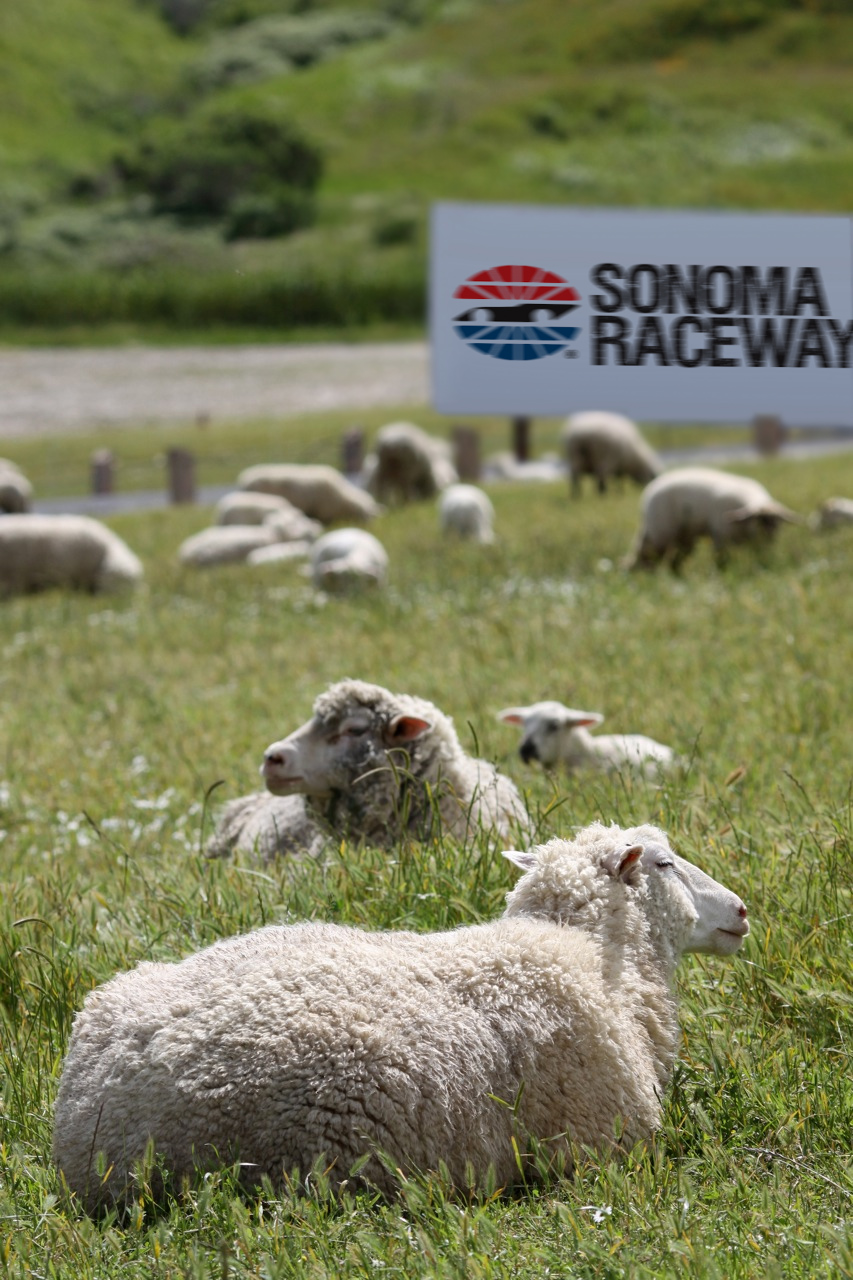
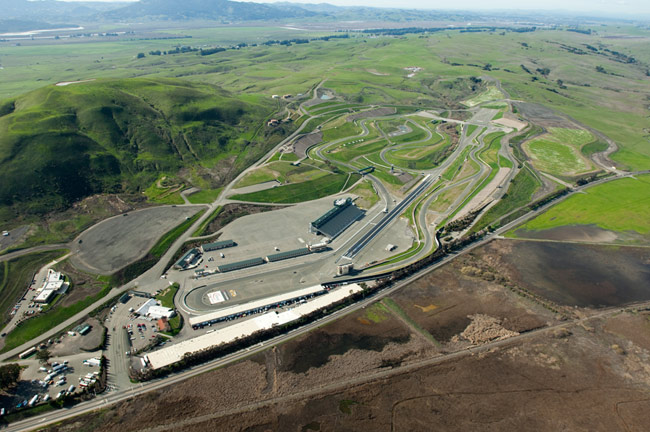
Buy your tickets now for our unforgettable spring hike through the hills of Sonoma Raceway’s 1,600-acre property on Sunday, April 19 at 10 am. Gates open at 9:30, event will end by 3 pm.  Revel in fabulous bay and vineyard views with wildflowers and quite possibly “woolly weeders” hard at work. Enjoy a three- or five-mile route; a light lunch will follow.  Registration is limited and is $50 per person, non-refundable.  This event is our biggest fundraiser of the year, and we always sell out, so early registration is advised!

All proceeds will benefit the all-volunteer Sonoma Overlook Trail Stewards to help keep the trail in tip-top shape.  We stewards will be on hand to hike along with you.  This is a great opportunity to support your local trail and take in the panorama of open space along San Pablo Bay.

We receive upwards of 60,000 visits a year, so our work continues year round to keep the Overlook in shape.  Your support keeps our trail system open to all levels of hikers.  For more information, contact aprilmv@aol.com.

NOTE: YOU WILL NOT RECEIVE PHYSICAL TICKETS; YOU AND YOUR GUEST(S) NAMES WILL BE ON OUR LIST AT THE EVENT!

Our fiscal sponsor is 501 (c) (3) Sonoma Ecology Center, Federal EIN# 94-3136500.

Our Sonoma Raceway Spring Hike has Sold Out!

The Raceway Hike is sold out!  If you are joining us, we look forward to seeing you Sunday!  If you weren’t able to sign up, consider joining our mailing list; we’ll let you know about future events!

YES!!! The Sonoma Overlook Trail Stewards are excited to offer once again our ever-popular, super sellout event this spring,
the Sonoma Raceway Hike!
┏(-_-)┛┗(-_- )┓┗(-_-)┛┏(-_-)┛
Sunday, April 19th, 2026 ~ 10 am
Rain Date: Saturday, May 2nd, 2026

A glorious, guided hike overlooking the bay….

Mark your calendar for an unforgettable spring hike through the hills of Sonoma Raceway’s 1,600-acre property on Sun, April 19, 10 am. Enjoy fabulous bay and vineyard views with wildflowers and quite possibly “woolly weeders” hard at work. Choose the three- or five-mile route; a light lunch will follow.

All proceeds will benefit the all-volunteer Sonoma Overlook Trail Stewards to help keep the trail in tip-top shape.  We stewards will be on hand to hike along with you.  This is a great opportunity to support your local trail and take in the panorama of open space along San Pablo Bay.

NOTE: YOU WILL NOT RECEIVE PHYSICAL TICKETS; YOU AND YOUR GUEST(S) NAMES WILL BE ON OUR LIST AT THE EVENT!

Sonoma Wildflower Hike

•SOLD OUT• FREE Guided Hike at the Overlook!

THIS EVENT HAS SOLD OUT!
Stay tuned for information on our Spring hike….

In honor of Autumn, please join us for a very special, moderately paced hike at Sonoma Overlook Trail, guided by former SOT leader Joanna Kemper, on Saturday, November 1, 2025, at 11 am.  We’ll linger at the top to enjoy sweeping views over the valley, bay and down to San Francisco.
Meet us at the main trailhead kiosk. Rain cancels the guide, but makes the trail even more special….

Don’t hesitate: SPACE IS LIMITED!
┏(-_-)┛┗(-_- )┓┗(-_-)┛┏(-_-)┓

SIGN UP!

All the Rocks You Never See

I work on the trail, or hike it, most days. Even as I’m hiking I’m inspecting it. I know the rockiest places, I know where there are roots. I’m even familiar with individual stones. Call me obsessed, but in the best possible way. But yes, still obsessed.

By now I’m sure you know (if you’ve ever read this blog in recent years) that as the Trail Maintenance Chair I’ve been focused on “trail smoothing” or “tread renewal.” Many of our recent monthly volunteer workdays have been mostly focused on this (see this time-lapse video of rebuilding a section for a taste). There’s a reason for that. For many years we volunteer stewards (including me) did not believe in tackling what I now call “rock work.” That is, taking out or chipping down rocks in the trail. And it started to show — often dramatically so. Entire stretches of trail became difficult to navigate, even for the nimble.

Continue reading