by Jacqueline Steuer
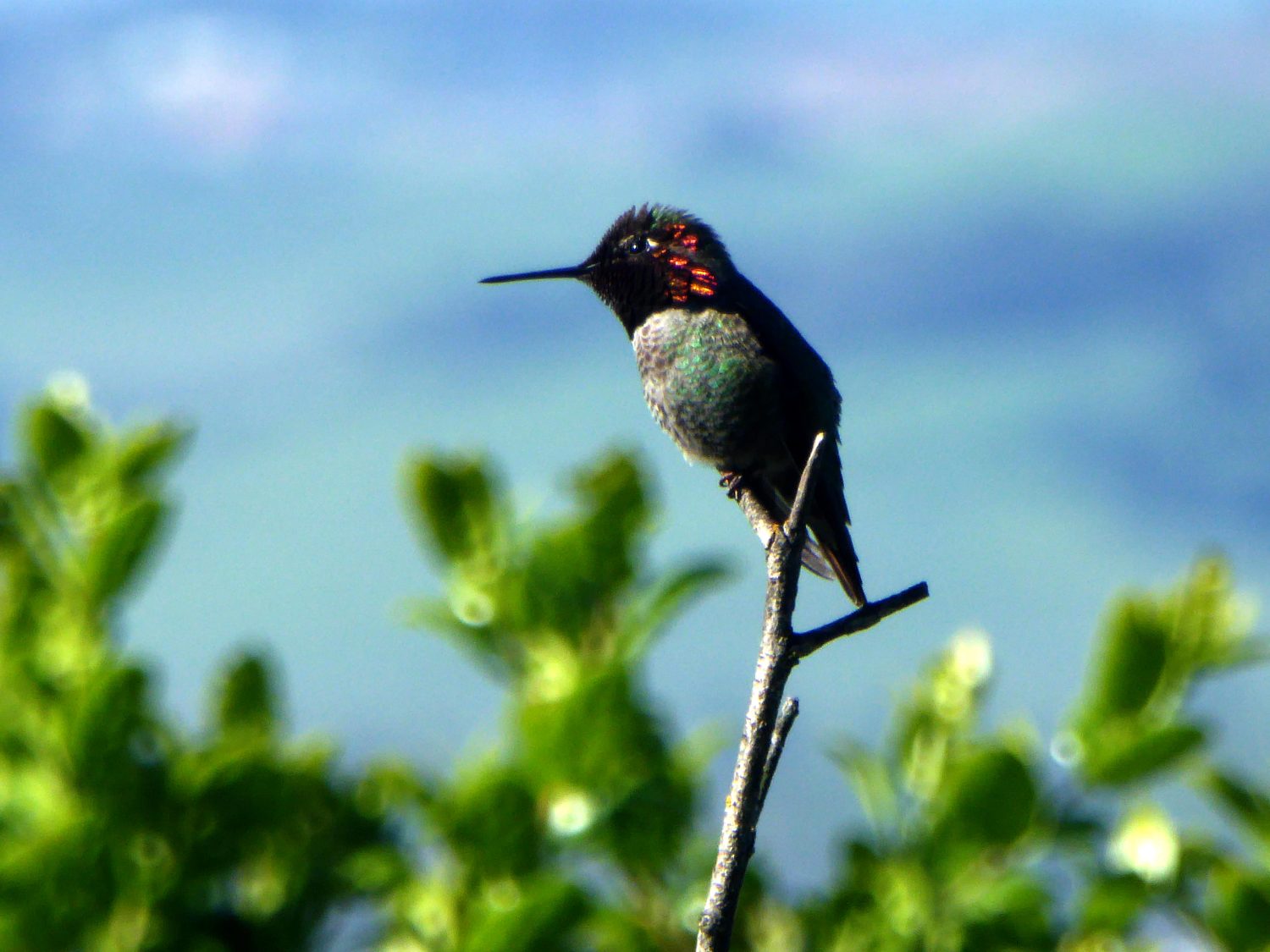 So you are on the trail, and you hear a bird calling. You think it’s a Bewick’s wren, but you aren’t sure. It’s driving you crazy. What do you do? Turn to Merlin Bird ID. Just open the app on your phone, select “sound,” and the app records the bird sounds in your environment. Next thing you know, bird species’ names are popping up. And, as each species calls, its name is highlighted. Yes, it is a Bewick’s wren!
Or, you aren’t sure if that colorful, three-lobed leaf is poison oak or some other plant. Depending on its size, this plant can look like a woody vine, thicket or shrub, or just a bundle of sticks. What do you do? Turn to Pl@ntNet. Open the app, take a photo of the leaf or flower, give your location, and the name of the plant is provided. Now you know–don’t touch those pretty leaves!
Before you hit the trail, decide what apps are of interest to you and take time at home to download the apps to your phone. Or, depend upon built in phone tools that supply some plant IDs listed below. These are some of the best apps to consider:
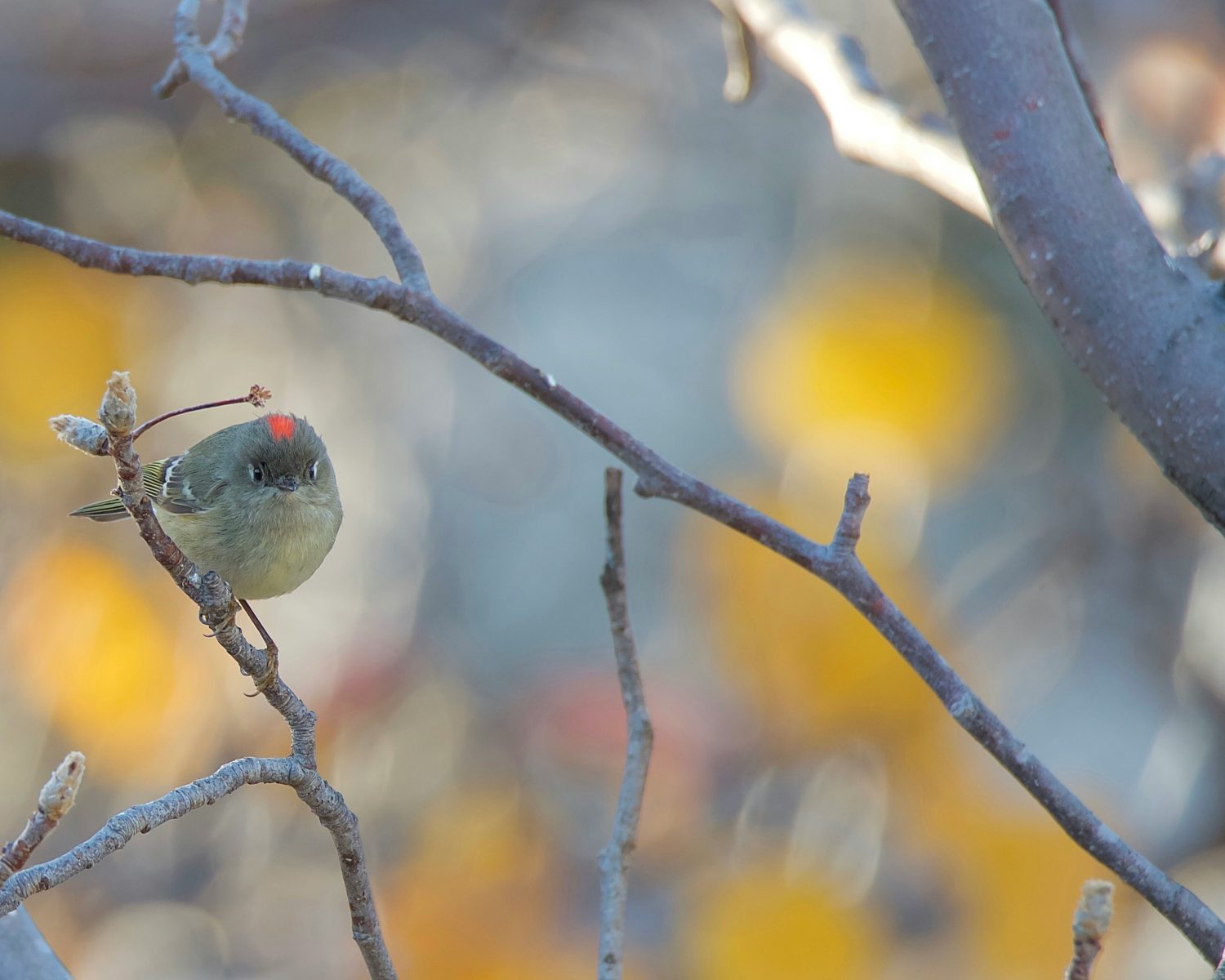
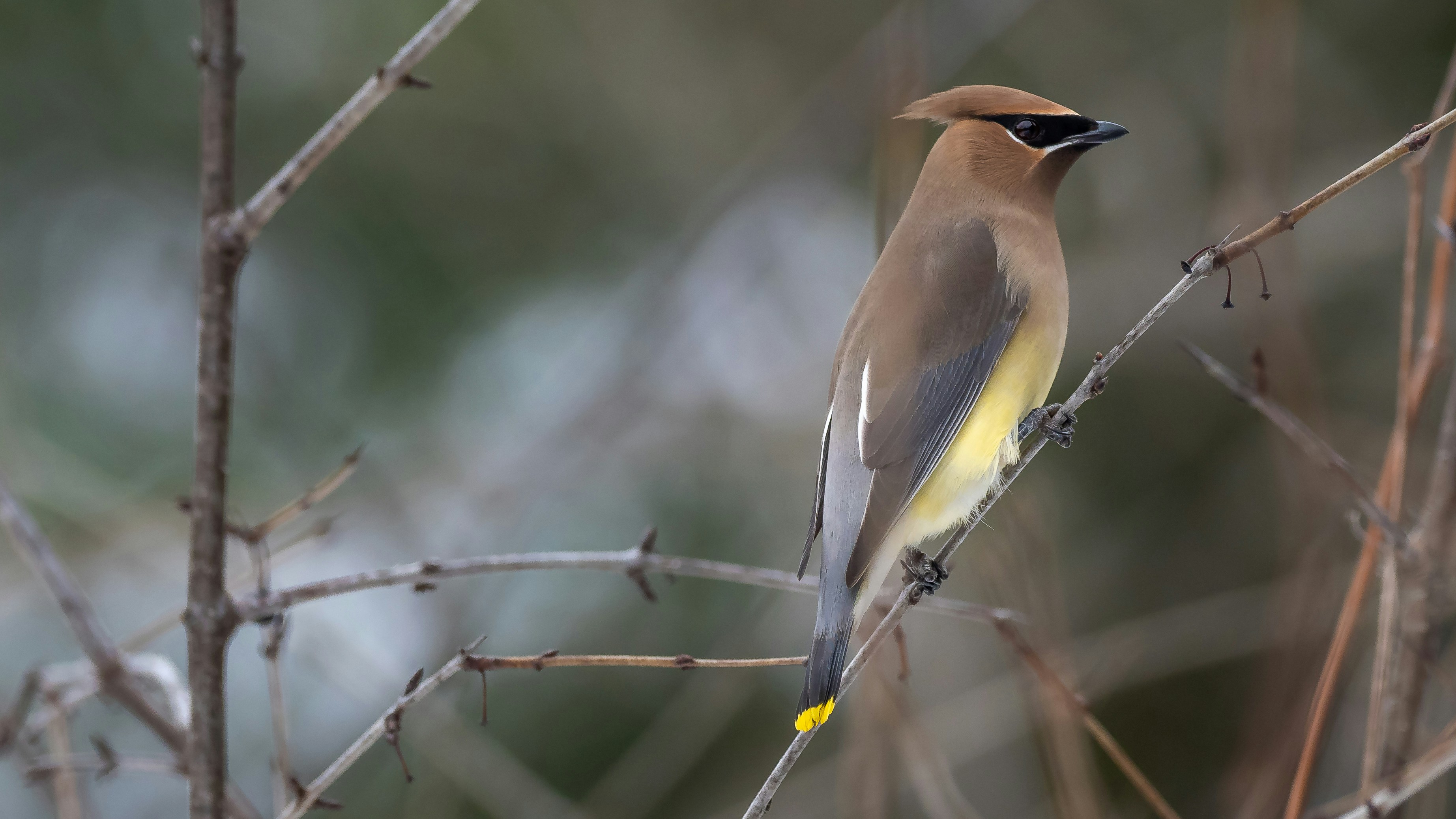
Merlin Bird ID – provided by Cornell Lab of Ornithology. Identifies bird species by: 1) sound recording you provide, 2) a photo for identification, or 3) use “Step by Step” to give location, date, approximate size, color, and location of bird (i.e., eating at a feeder, swimming or wading, on the ground…) to get an ID. Alternatively, in “Explore Birds,” obtain detailed information about a species, including its likelihood at your location. Creates a personal life list of birds you document. Free app.
 Ebird – provided by Cornell Lab of Ornithology. Provides a way to document birds seen or heard in a location. Observers must be able to identify the species by sight or sound to create a checklist for the event. Ebird requests observers spend at least five minutes during the event. Provides rare bird alerts. Provides detailed species information through Birds of the World. Allows exploration by Species Maps, Explore Hotspots, Search Photos & Sounds, and Bar Charts. Provides free birding skills courses. Gives eBird science information. Free app.
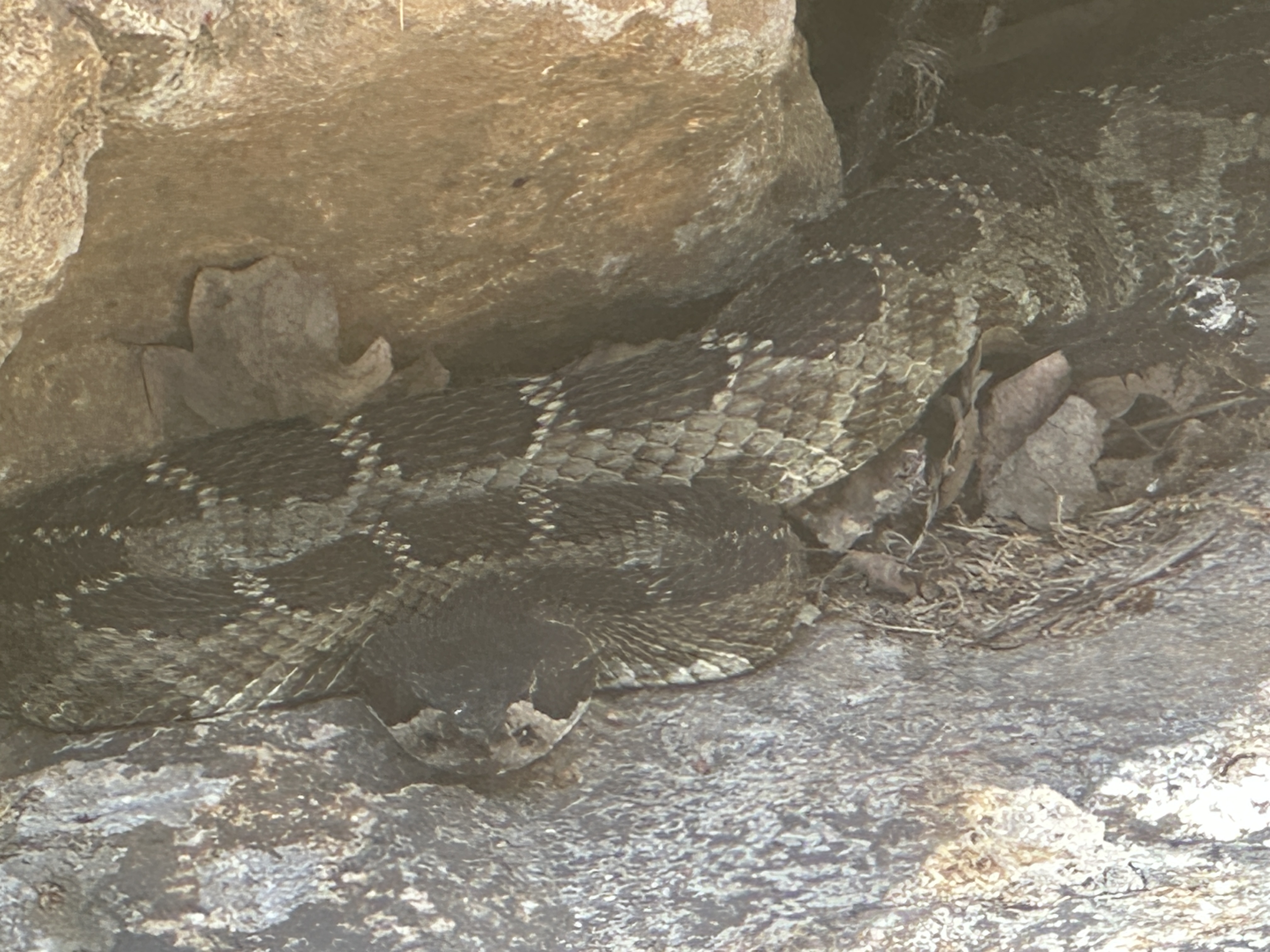
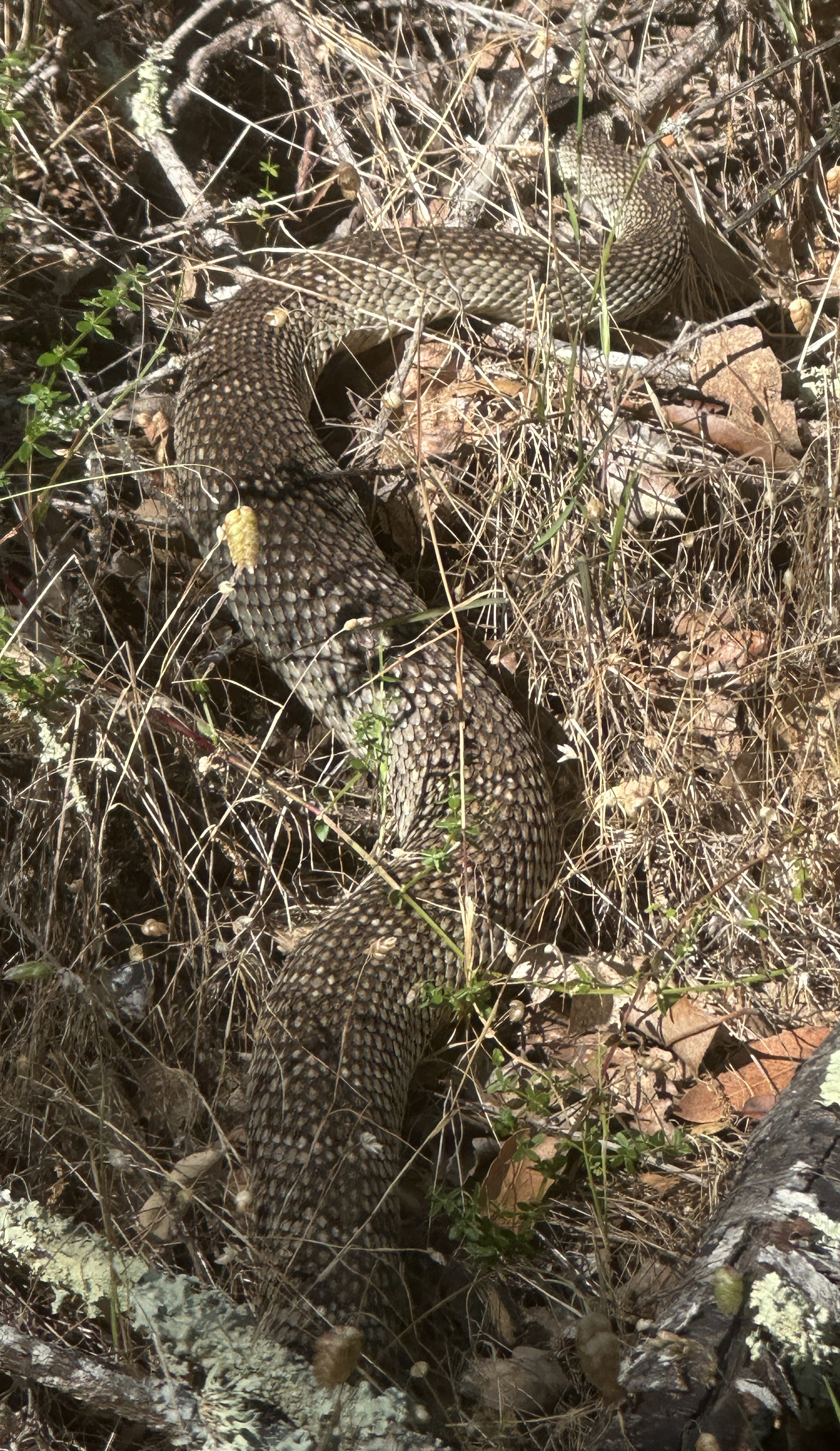
iNaturalist – A powerful app created by the California Academy of Sciences and the National Geographic Society. Take a photo of an animal, bug, or plant to identify it, and your findings help scientists track global biodiversity. Free app.
Seek – A child-safe, camera-based version of iNaturalist that works offline. It uses image recognition to identify species in real time and lets you earn badges for finding different types of wildlife. Free app.
 Pl@ntNet – identifies native and non-native plants with a photo of a plant. Your profile lists plants you have identified. Can also search for a plant by starting with a family or genus name. Each species is listed with photos of its leaf, flower, fruit, bark, habit and “other” as well as a map of its location based upon observations. Backed by a scientific research consortium. Relies on crowdsourced citizen science. Free app.
Plantora – A good choice for a mix of plant identification, disease symptom checkers, and basic care reminders without being forced into a premium subscription. Free app.
Built-in Phone Tools (No App Required):
- iPhone: If you have iOS 15 or later, open any photo of a plant in your Photos app and tap the info “i” icon at the bottom. A leaf icon will appear allowing you to select “Look up plant.”
- Android: Use Google Lens directly through your camera or Google search bar to snap a picture and instantly identify local flora
With these tools in your pocket, you will no longer be left to rack your brain for what bird call that is. And you won’t discover, too late, that the pretty leaves you brought home to decorate with are poison oak! Happy trails!