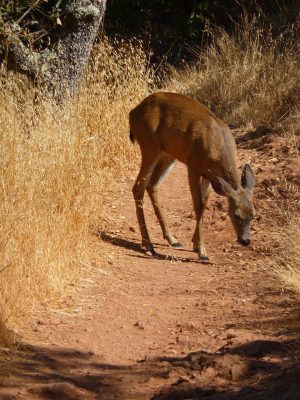
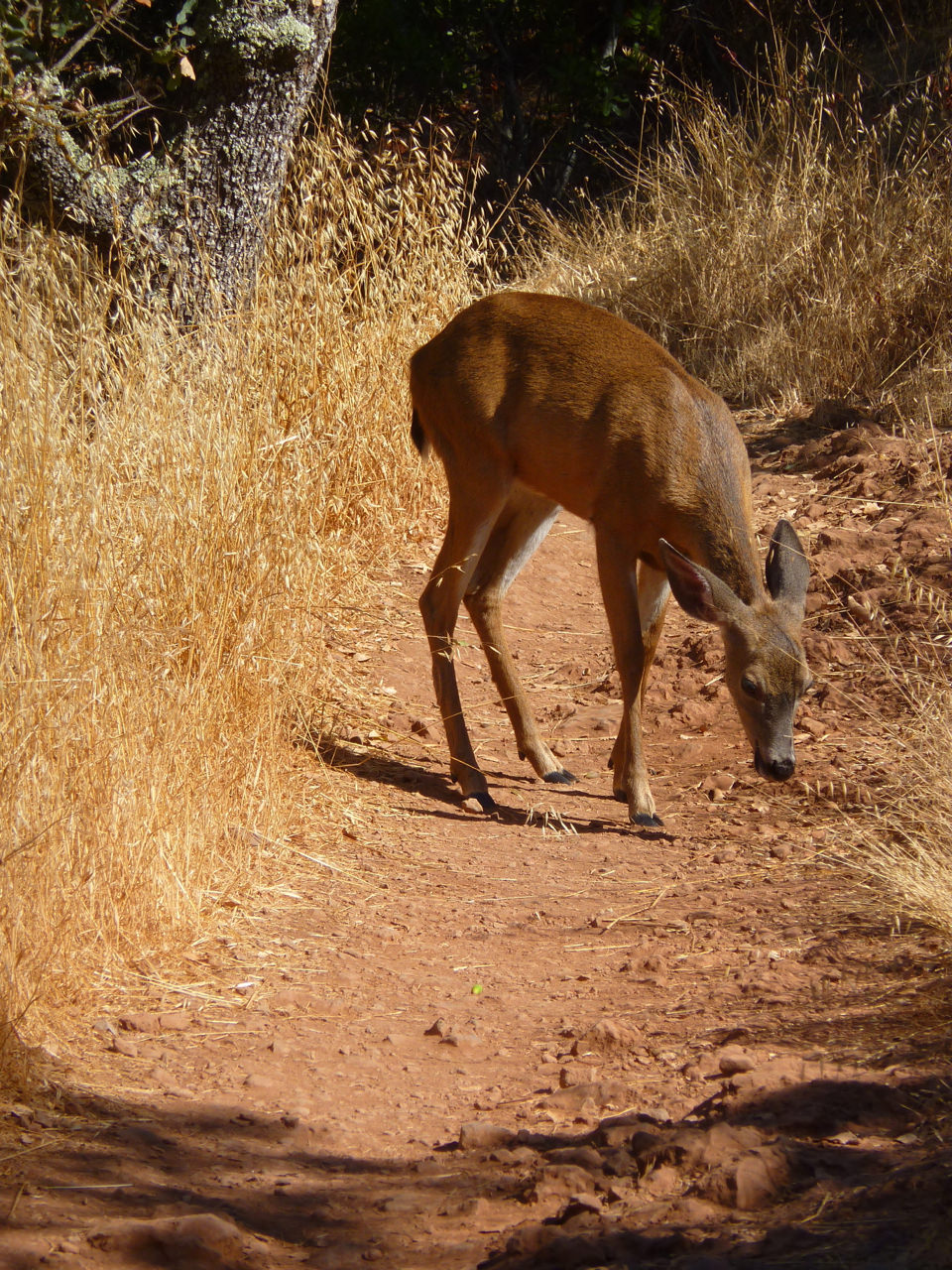
According to the Biological Resources Study, dogs “represented a potential significant impact to the rare plant habitat and fawning beds on the Preserve. As a result, the trail was designed specifically for hikers only. Dogs and bikes were not contemplated in the design and would not easily be collocated with hikers on many stretches of the trail.”
(The following is a summary of a letter sent to the City Council on April 13 behalf of many members of the SOT and MP Trails community.)
On April 20, the Sonoma City Council will consider whether to press forward with attempts to win an amendment to the Montini Open Space Preserve (MP) Management Plan to permit dogs. This is a great opportunity for council, with three new members, to listen to the voices of the actual trail users, to study the background closely and take more care with the decision than did their predecessors. Council made a hasty and premature decision last year to seek an amendment to the Management Plan long before the Preserve was even open and the public had a chance to provide input based on first hand experience. Few understood how the trail was designed – narrow and steep in many places – to minimize impact to natural resources while simultaneously protecting the agricultural heritage and spectacular views afforded by MP, not to mention how leashed dogs would impact wildlife and hikers. Now, after months of heavy use, people get the picture.
Initially, expectation for use was light – six visitors per day in winter months. In fact, with warm weather and the popularity of this newly connected trail system, this winter the average daily visits were about 50 during the week, and 200 on the average weekends. These are visitors of all ages and fitness levels, and many families hiking with small children.
Since mid-January, more than 1,000 people signed a petition to keep Montini as-is, without dogs. More than 750 signatures were collected on the trail because it was important to speak with people actually using and experiencing it. Many signers are dog-owners, former dog-owners and people who like dogs. All feel strongly about protecting this special place – a wildlife preserve within short walking distance of the city center. There are already miles and miles of paths and trails, flat and hilly, in the city or near it, where leashed dogs and their owners can stroll, jog or get exercise in pleasant, scenic surroundings.
Among the many reasons to keep Montini, like the Sonoma Overlook Trail, just the way it is, one of the most important reasons is access. If the City Council forges ahead with the amendment to introduce dogs, it is likely that State Parks will revoke the license it gave the City to use State Parks land for 4th St. W. access to the Montini trail. Per the SCAPOSD’s Recreation Covenant, the City is then legally obliged to provide western access via 5th St. W.
If this seems like déjà vu, it is.
From 2007-2009, there were public consultations and meetings, and interventions from County and State politicians concerning the issue of western access. There was even professional mediation.
The Open Space District initially proposed 5th Street access, but residents and neighbors provided compelling evidence about why that was a bad idea – busy traffic and parking issues at Verano and 5th, impact on the viewshed of a trail that bisects the Montini pasture, additional fencing that impedes wildlife movement and is visually distracting, interruption of grazing and wetland disruption, to name just a few issues. State Parks generously saved the day by agreeing to the use of its land at 4th Street, with the clear understanding dogs could not be permitted.
How many more times do residents have to point out the folly of 5th Street?
The access via 4th Street is well-used, safe and quick. Within a few minutes, hikers ascend the western slope and are enjoying the wonderful vistas afforded by the trails. The access is not visually intrusive, and the path is close to existing fence lines. Trail users like it a lot because it is both convenient to the Bike Path and in a low vehicular traffic area. It does not disrupt the neighborhood. ADA parking and access was installed at considerable cost.
Per the Open Space District letter, all of this would have to be closed and the area restored to previous natural condition. The City would need to spend a substantial amount of money to build the 5th Street access that was soundly rejected five years ago. This is neither a good use of public money, nor respectful of the lengthy public consultation that created a solution that works well today.







 Sonoma Overlook Trail • Montini Open Space Preserve