Tree Communities in the Montini Preserve

Tree Communities in the Montini Report with cover_Page_01Recently we were gifted with a scientific report, “Tree Communities in the Montini Open Space Preserve,” by Greg Perrier, a retired biology professor. In this report, he thoroughly reports on the variety of tree communities on the Perserve, thus greatly expanding our knowledge of this important local ecosystem.

As Professor Perrier writes:

There is little in the literature about the geology, soils, tree communities and grasslands at Montini. For example, the USDA soils map (USDA,1972) shows the hills above the valley plain in Montini as one soil type (the goulding-toomes series), when at least five soils types can be identified there. Vegetation maps for this area (SCAPOSD, 2011) combine oak communities into one type (hardwoods), when at least three oak communities can be identified in Montini. A review of the literature shows the dynamics of these communities is complex and poorly understood. The low resolution of existing data limits the ability to effectively manage this landscape to sustain these plant communities and the values derived from them. 

The purpose of this study is twofold. First, to fill in some of the gaps in our understanding of the ecology of Montini to allow for better management of the preserve. And second, to provide baseline data for monitoring changes in the vegetation at Montini over time. 

In his report, he identifies three distinct tree communities:

The tree communities are the blue oak – California buckeye woodland, the blue oak – California bay laurel woodland, and the coast live oak – California bay laurel forest. 

His accompanying data provides a key snapshot of this ecosystem that future researchers can build upon as essential “benchmark” data. Thank you, Professor Perrier!
Mountain Lion Sighting on Montini Preserve

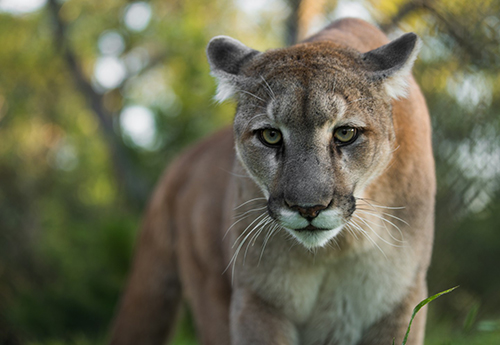
Please be aware, Trail Friends: A mountain lion was sighted on the Montini Preserve this week. Be sure to hike with friends and only in full daylight hours.

Staying Safe in Mountain Lion Country

Mountain lions are quiet, solitary and elusive, and typically avoid people. Mountain lion attacks on humans are extremely rare. However, conflicts can occur as California’s human population expands into mountain lion habitat.

  • Do not hike, bike, or jog alone.
  • Avoid hiking or jogging when mountain lions are most active—dawn, dusk, and at night.
  • Keep a close watch on small children.
  • Do not approach a mountain lion.
  • If you encounter a mountain lion, do not run; instead, face the animal, make noise and try to look bigger by waving your arms; throw rocks or other objects. Pick up small children.
  • If attacked, fight back.
  • If a mountain lion attacks a person, immediately call 911. 

Sending in the Child Soldiers

Child soldiers, sent into the breach.

The season for eradicating Italian thistle can begin as early as December, or as late as early or even mid-January. For at least four months after that, we essentially pull and drop it, as it isn’t yet going to flower, let alone seed. But now it is flowering, and some is even going to seed, so we must bag it up and carry it out. We use contractor debris bags from Friedman’s, which last for multiple years.

The contents of the bag are emptied into a pile beside a dumpster in Mountain Cemetery, and eventually the City of Sonoma hauls it all away.

In this period of the thistle pulling season we pull out other tools, such as weed whackers, in our desperate attempt to keep the thistle from fully going to seed. Let’s just say it’s an act of total desperation, as the thistle can still put on blooms, which means we need to weed-whack it again later.

It’s also the season when Italian thistle ups its game, and sends its child soldiers into the battle, just like Nazi Germany went both up and down the age range of males to send into battle toward the end, to try to win the war, in a total act of desperation.

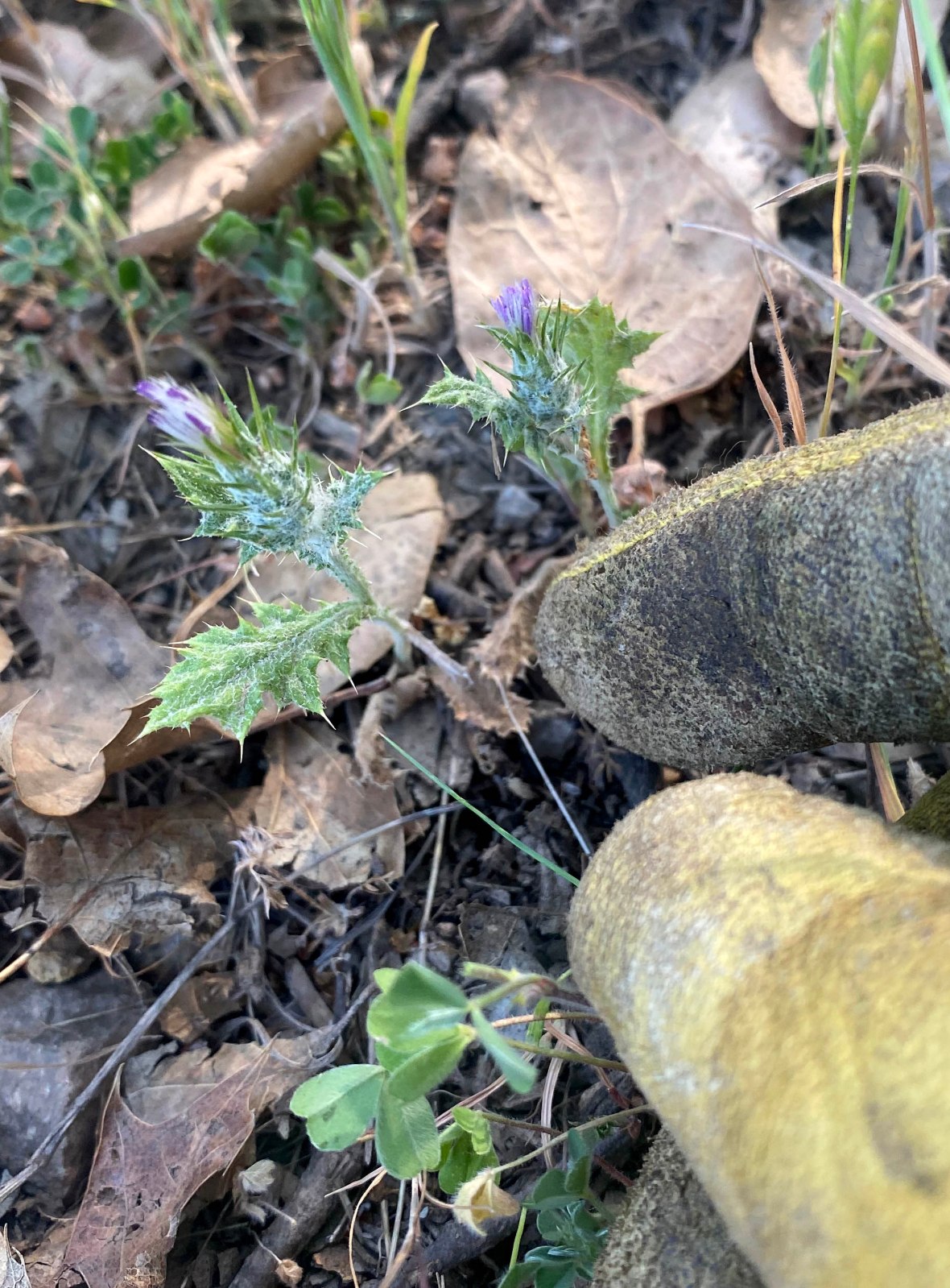
These are truly tiny plants (see picture), which barely clear the soil and go directly to bloom, which of course makes them hard to see, challenging to pull, and frustratingly difficult to eradicate. This is part of what makes Italian thistle the hardest invasive species I’ve yet battled — far harder than Yellow Star thistle, which is all but eradicated except along Norrbom Road.

The only good angle on this is that since they are so low to the ground, it’s not all that likely that they will spread their seeds a long way. At least unless there is a strong wind. Oh, right, we’ve never had a strong wind in Sonoma Valley. 😦

Hiking Alone?

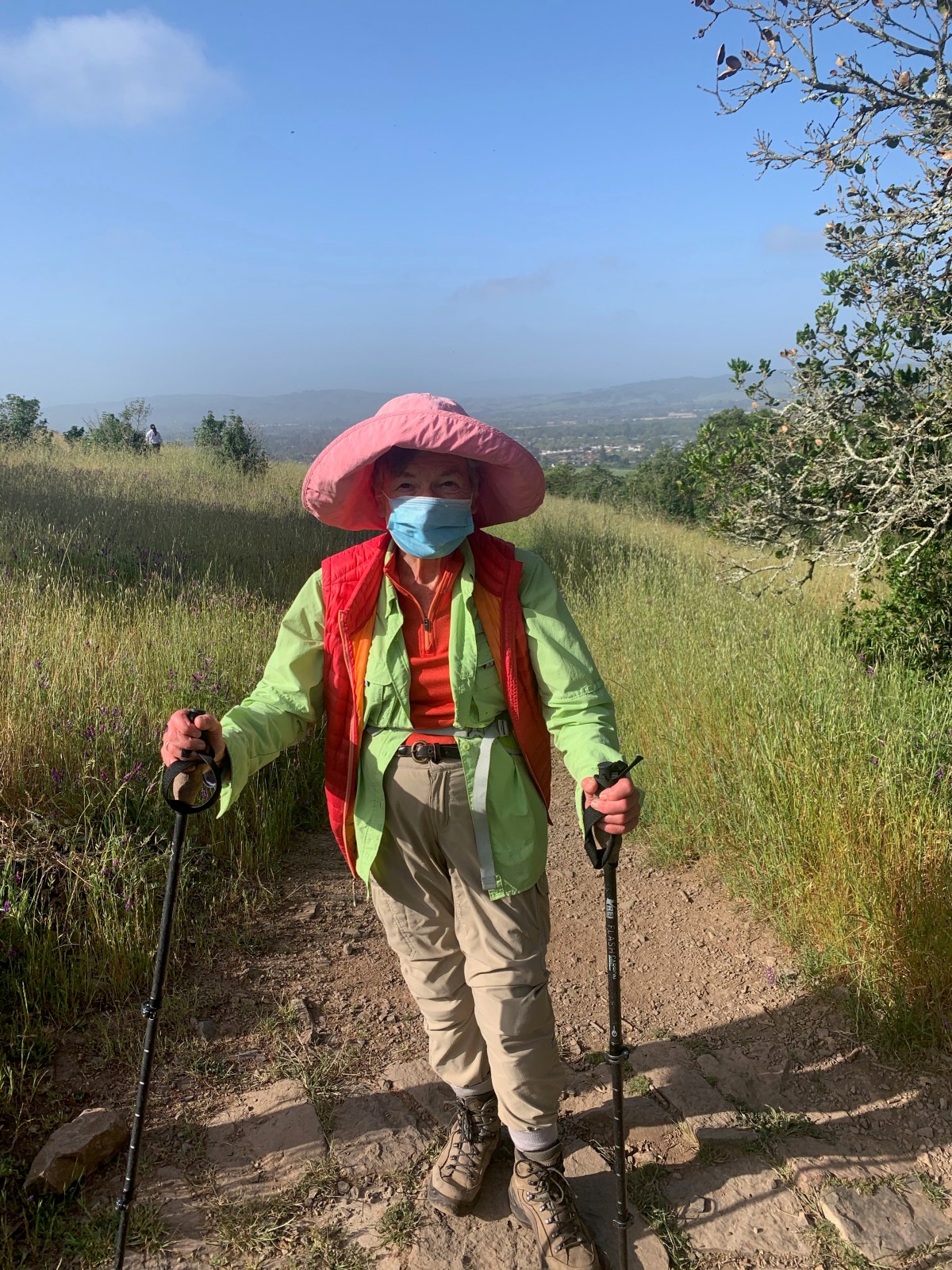
If you’d like to join a group of energetic hikers, come every Wednesday morning at 8:30am for a one-hour round trip hike to the top of the Overlook Trail. We practice social distancing and wear masks. Meet at the trailhead kiosk.

“…you might think you walked all the way to Italy.”

The Sonoma Overlook Trail is in the news! Travel & Leisure Magazine lists Sonoma as one of the 10 Best Small Towns in California. It reports that besides the wine tasting, colonial architecture and picturesque town center, for hikers the Sonoma Overlook Trail offers breathtaking views.

ttps://www.travelandleisure.com/trip-ideas/best-small-towns-california