Meet us at the Overlook Kiosk Wednesday mornings at 8:30 for a brisk hike to the top.
No need to reserve, no cost. . . .just fun. Here’s some photos of us catching our breath at the top and enjoying the view.


Meet us at the Overlook Kiosk Wednesday mornings at 8:30 for a brisk hike to the top.
No need to reserve, no cost. . . .just fun. Here’s some photos of us catching our breath at the top and enjoying the view.
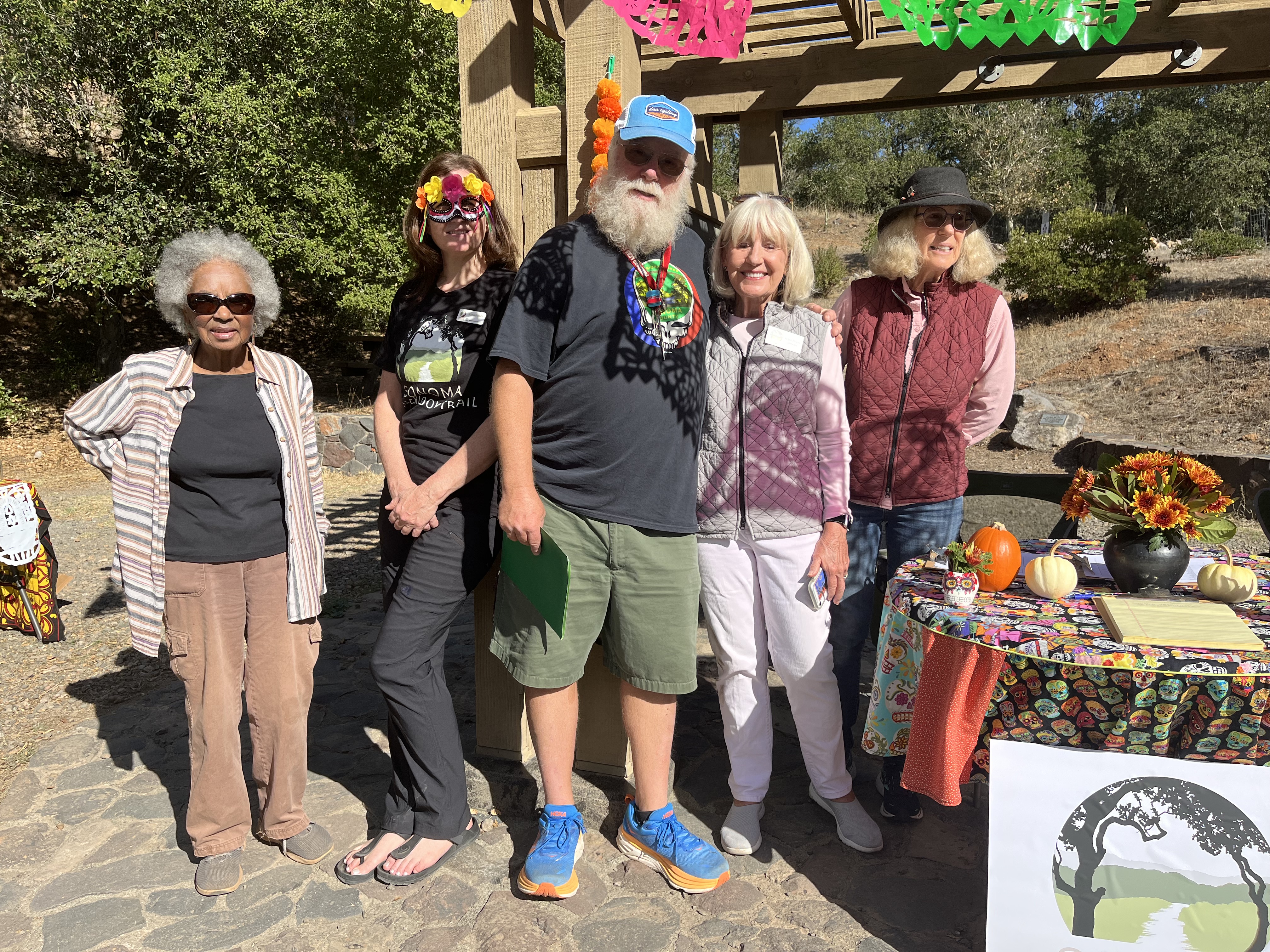
Greeted by an array of fall treats, fifty curious Sonomans were then led by Fred Allebach through the Mountain Cemetery yesterday, the amateur historian sharing stories and lively lore “dug up” throughout the years. As in years past, the fundraiser was sold out, 100% of the funds raised going directly towards improvements on the Overlook Trail. Join us next year!




 As part of our upcoming 20th Anniversary of the trail celebration, we decided to publish a book based on the entries that hikers have left in the notebooks that we have left on the bench at the top of the trail since the very beginning. That book is now out and available for purchase. The View from Above: Thoughts and Art by Sonoma Overlook Trail Hikers is a lovely 8 1/2″ x 11″ full-color coffee table book with photographs of both journal entries hikers have left and gorgeous trail photos.
Journal entries have been organized into chapters based on their essential message. Here are just some examples:
We also provide “interludes” of art, humor, poetry, and other entries that hikers have left in the notebooks.
At the beginning of the book we have written a short history of the trail property through the years and how the trail came to be (it was born in the midst of controversy). At the end we list all of the extant notebooks and all of the locations from around the world where our hikers call home (nearly all 50 states, several territories, and many countries).
We are selling it for $30, plus $2.70 sales tax, and for non-Sonoma Valley addresses, and additional $7.00 for shipping. You can make a check out to Roy Tennant and send it to 1212 Alberca Rd, Sonoma, CA 95476. We can also accept Venmo payments @Roy-Tennant.
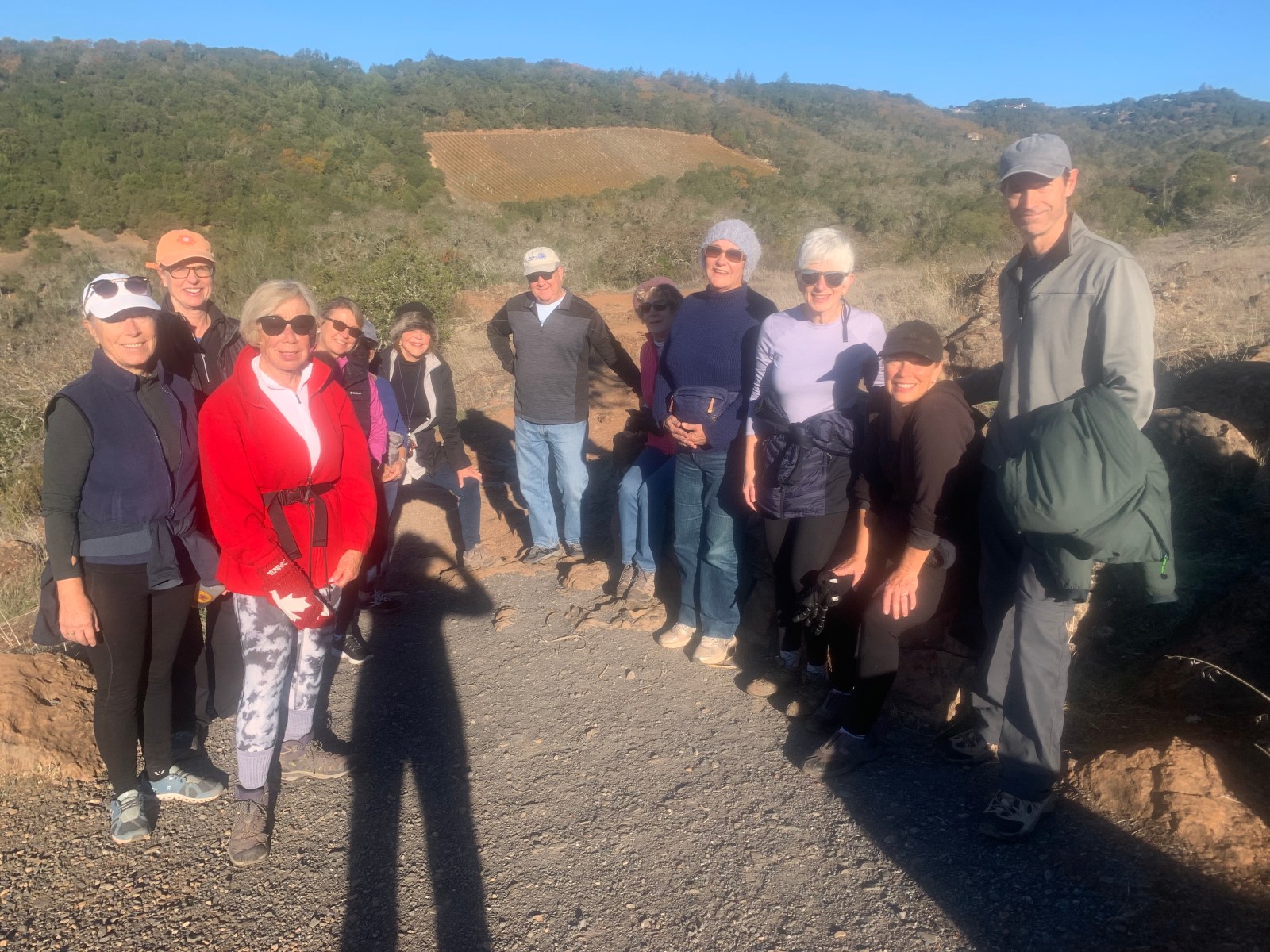
Every Wednesday morning at 8:30 a group of hikers gather to hike the Overlook.
Up (30 minutes), then the Top (catch breath and take photo) and then down (30 minutes). Here’s a few photos from the top by the bench from this past year of Wednesday hikes.

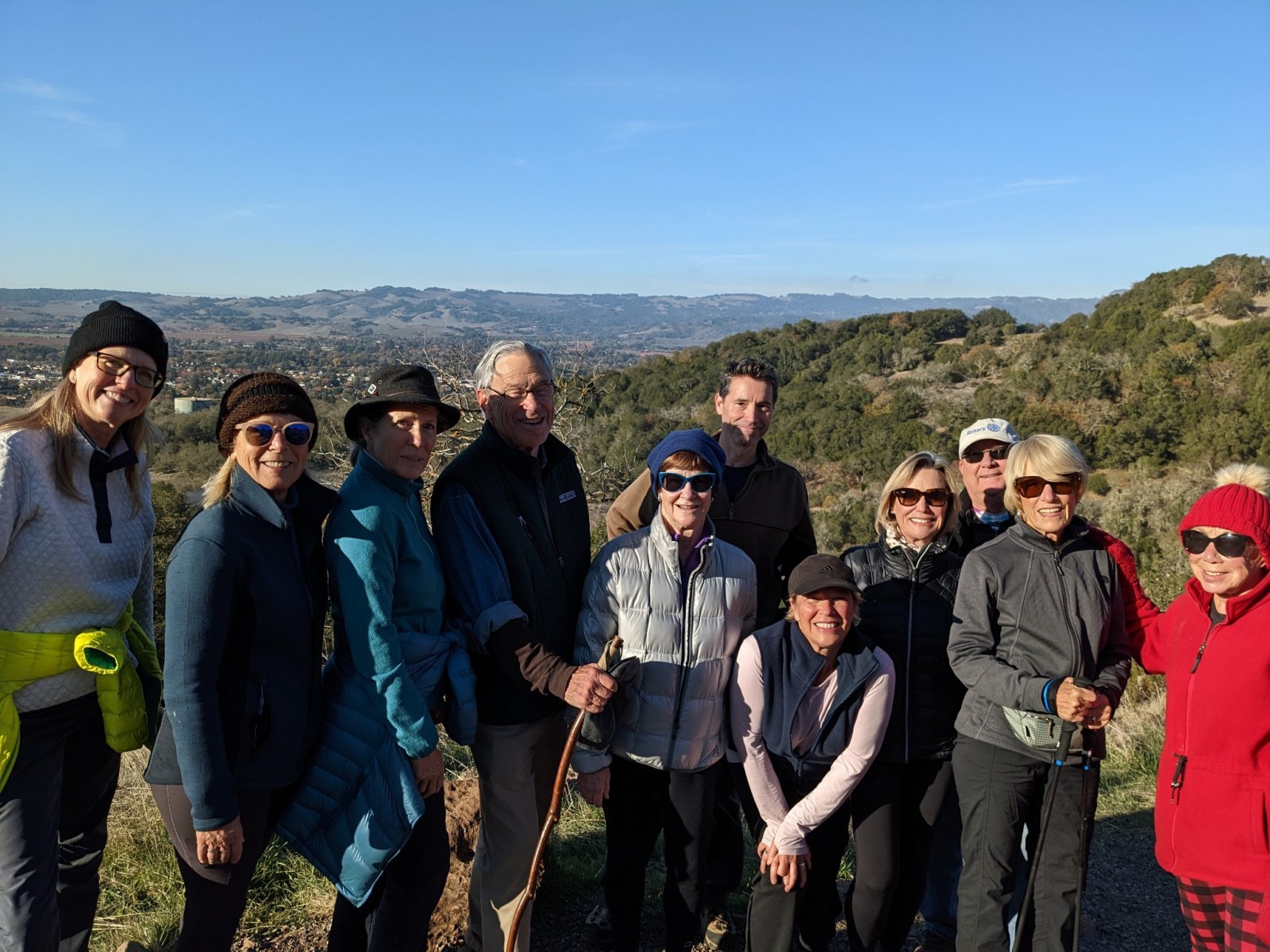

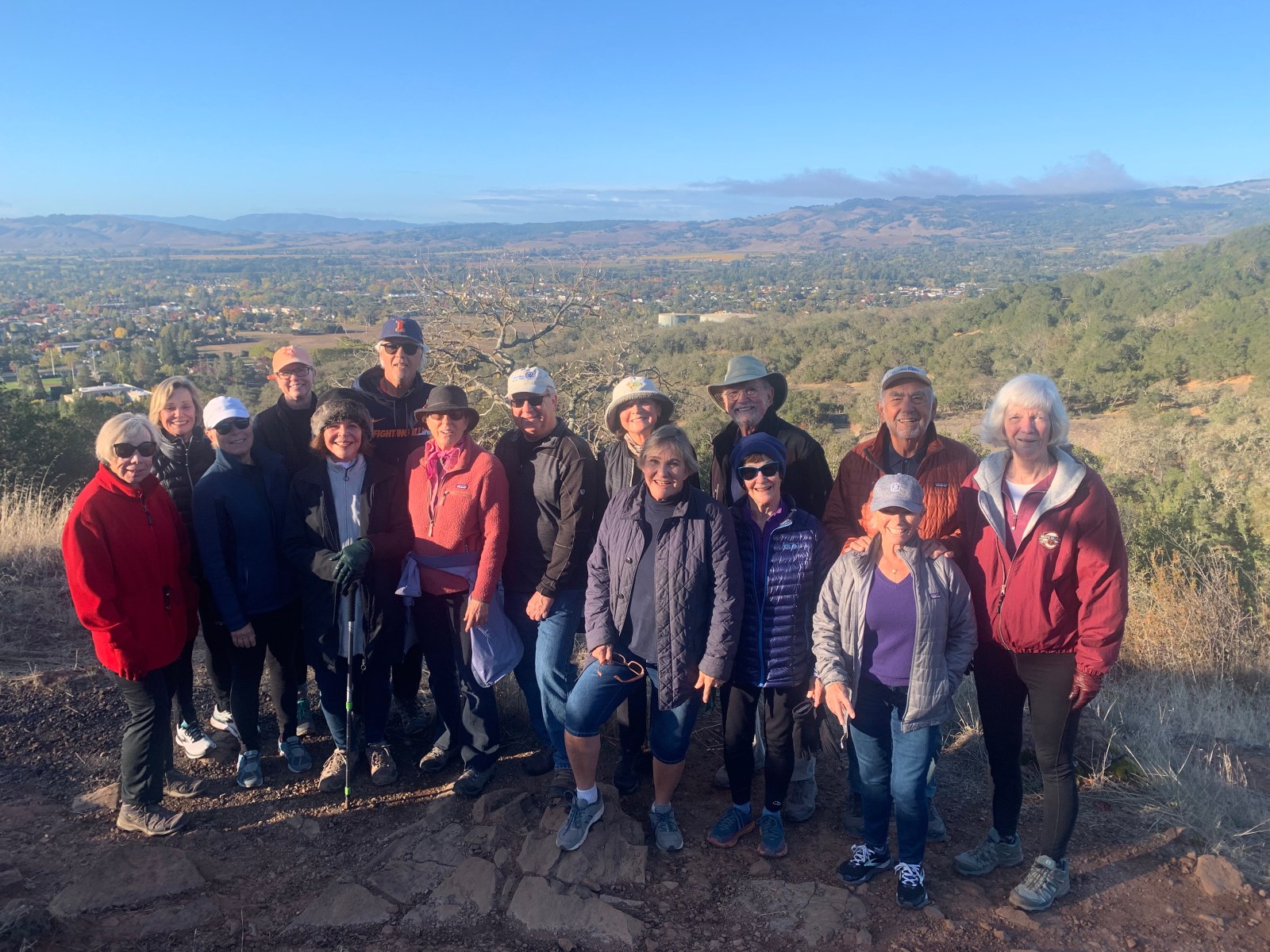
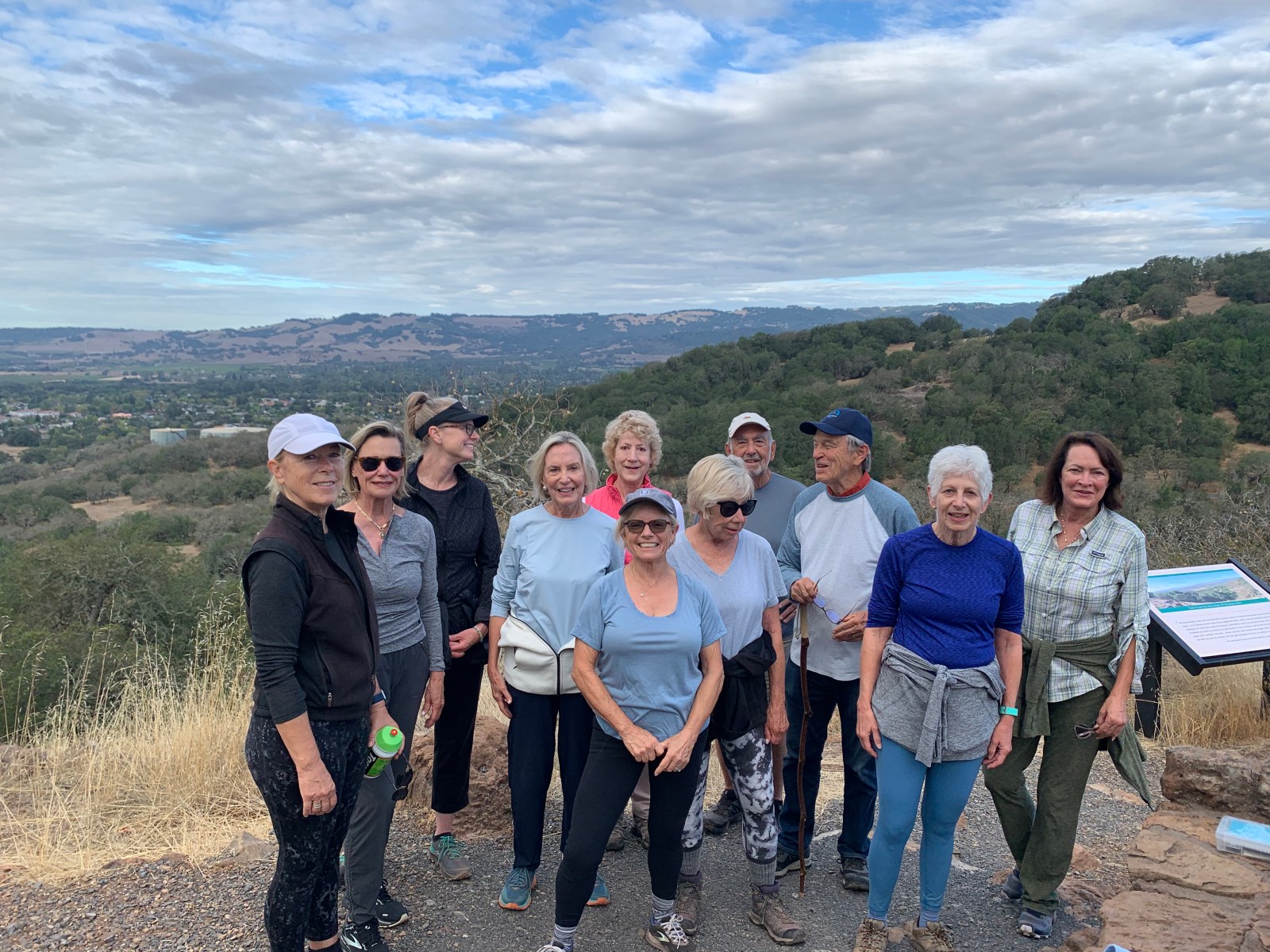
And look who we bump into on the trail nearly every week. Hint–he’s going from rock removal to invasive removal –see his blog posts!

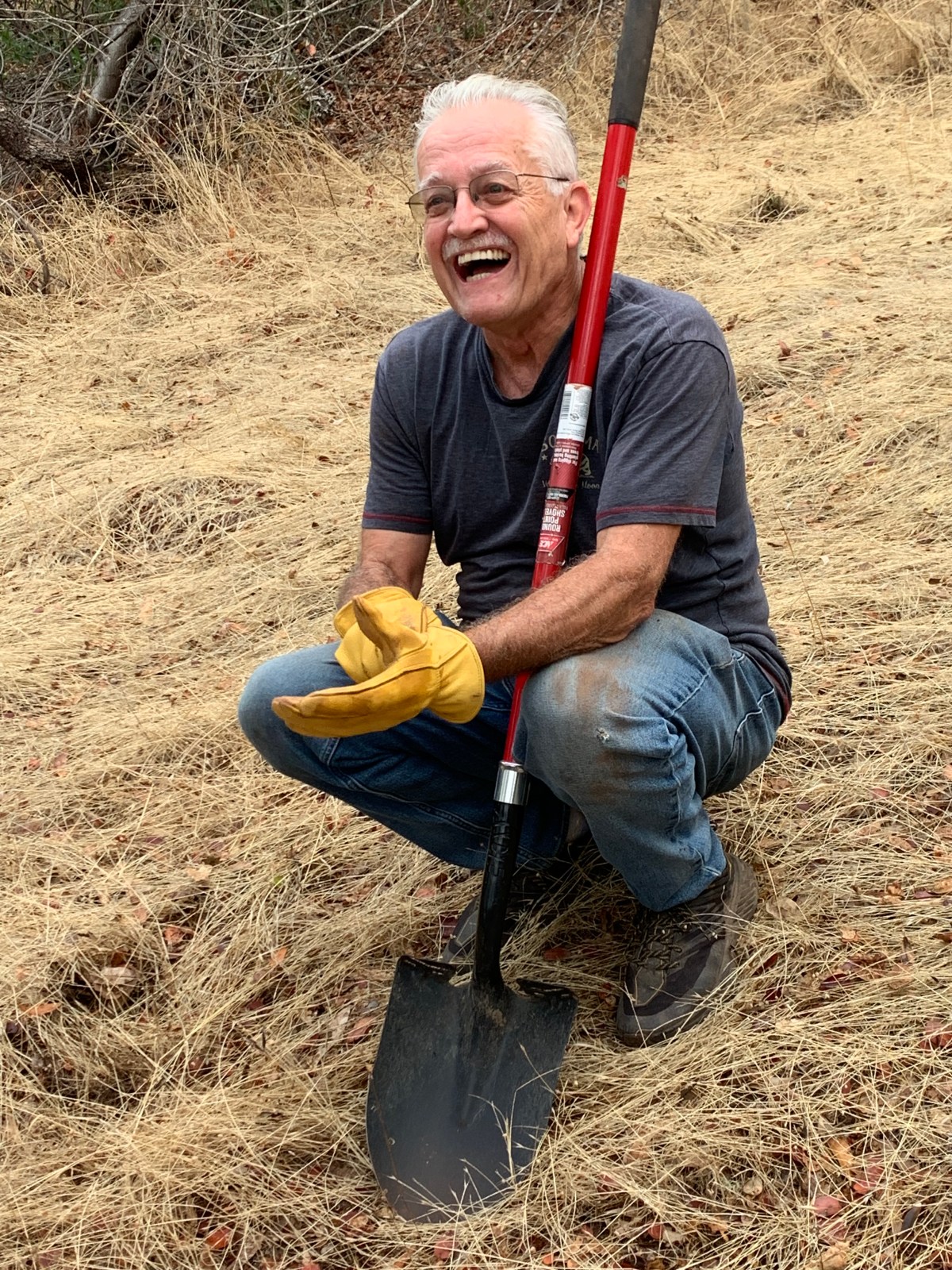
Join us at the Trailhead kiosk on Wednesdays. . . the hike is open to the public. Good way to start the day. . . and enjoy the view from the top!
 After I became Maintenance Chair, I began considering new kinds of trail maintenance activities. Since Sonoma Overlook Trail is a particularly rocky trail, over the past year or so I pioneered what I dubbed “Rock Patrol“. As it was originally conceived, it consisted of hiking the trail with a shovel and a pry bar, levering out rocks and backfilling with soil to remove “trip rocks” and make a smoother tread.
Over time, I added an activity that I called “trail smoothing”, which I conceived of as a more systematic effort over a stretch of trail from 6-12 feet or more. In this activity, we would remove many rocks from the trail bed and fill with soil and gravel, packing it down to recreate a smooth tread. This was devised as an activity for our monthly group trail maintenance work days.
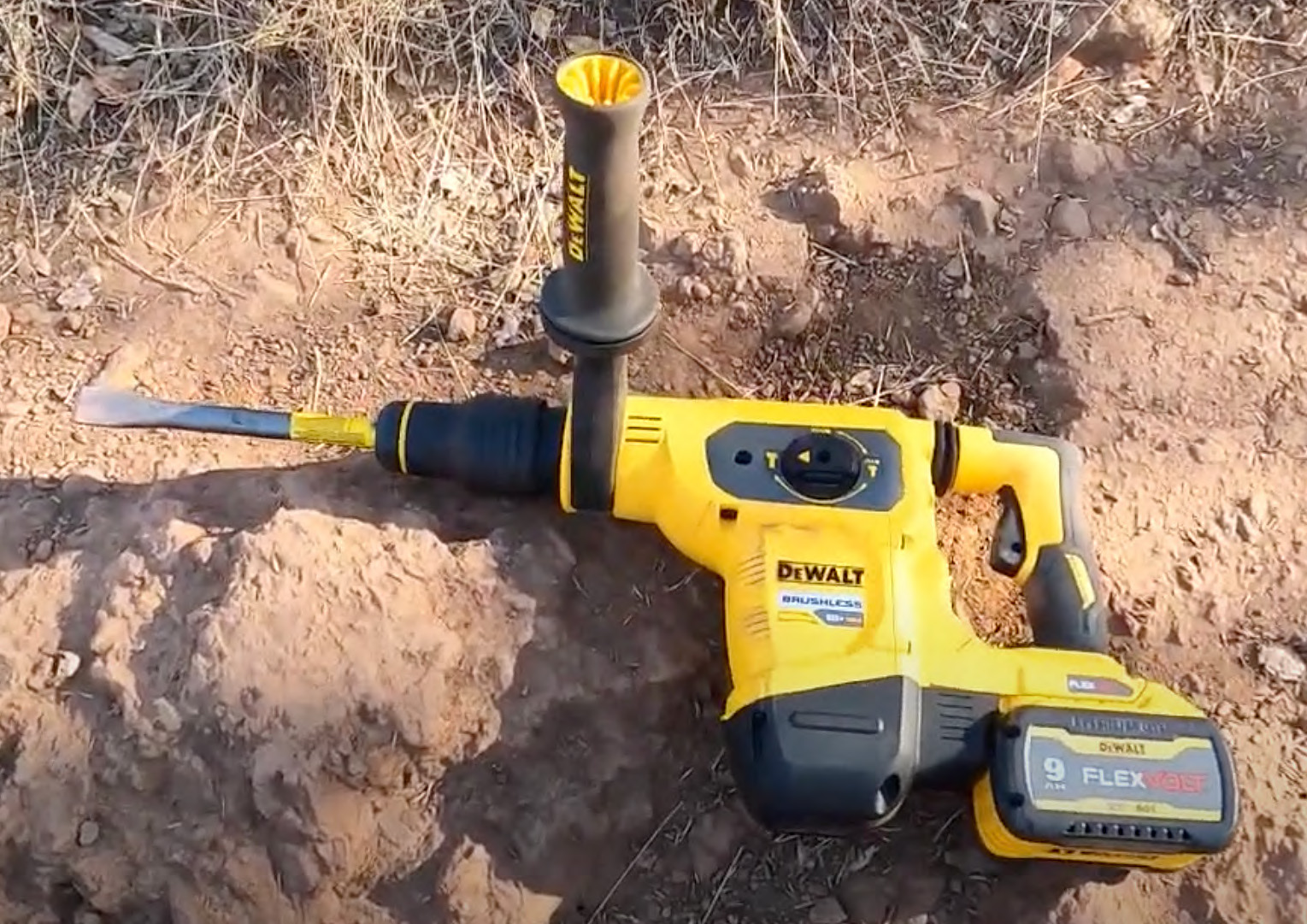
Now I’ve added another activity that I’m calling “rock reduction”. To do this, we’ve purchased a cordless rock chisel/hammer/drill (pictured; click the photo to see a video of it in action). As I say in the video, it is a complete game-changer. I really don’t think there is a rock on the trail that we can’t now either completely remove or reduce to trail level or below.
Given that fact, I’m now open for any trail hiker or runner’s nominations of rocks to remove or reduce. Take a photo of your most hated rock and/or ridge of bedrock that impinges on the trail and send it to me at roytennant@gmail.com along with a description of where to find it on the trail. Just do your best; I’m pretty sure I will recognize it. Having nominated it, I will let you know when it has been removed or reduced.
Check out the video. It’s less than 2 1/2 minutes long and I think it does a great job of illustrating how we can now take down even some of the hardest rocks on the trail (many are much softer than the one in the video, which I had originally attempted to take out using a large, heavy, iron pry bar).
Rock reduction is now officially part of our arsenal.

