Season of the Fungi

mushroom2Our recent and ongoing rains have had their desired effect in at least one significant way — the mushrooms are out!  Wikipedia describes mushrooms as:

“…the fleshy, spore-bearing fruiting body of a fungus, typically produced above ground on soil or on its food source.”

That clinical description belies the charm of these organisms that pop up from the forest floor when the right conditions (dampness being key) are present. The varieties are endless, and some are edible, but identifying them properly is a sticky business best left to experts. If you eat the wrong one, you can get sick or even die.
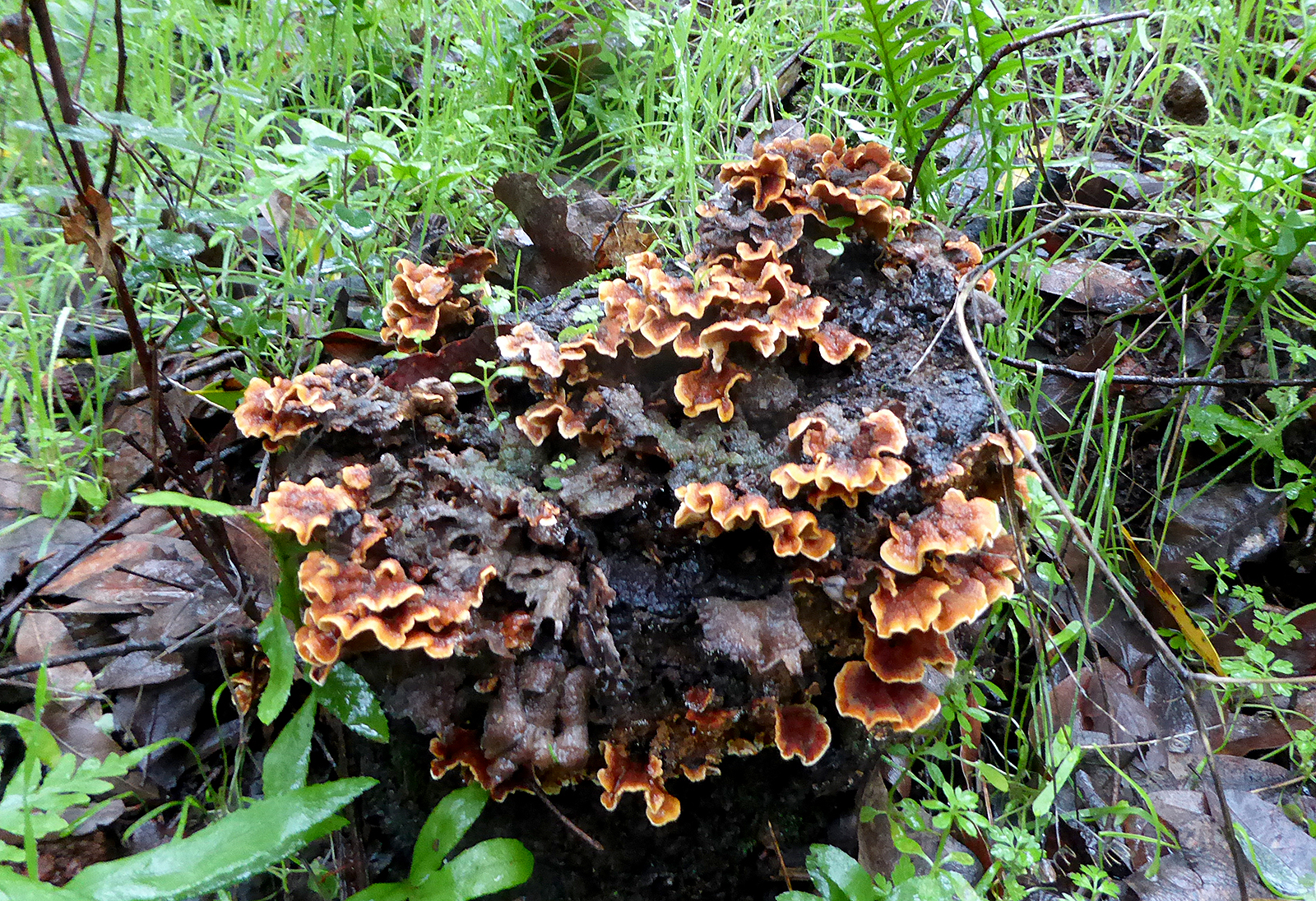
bracketfungiOf course mushrooms are but on type of fungus. Another type that is easily spotted on the trails is a bracket fungus (see picture). These grow on trees, like this one which is growing on a dead and downed tree alongside the trail on the Overlook side of Rattlesnake cutoff. Look for it in what I call “Fern Glen” which is where the seasonal creek is now running across the trail.
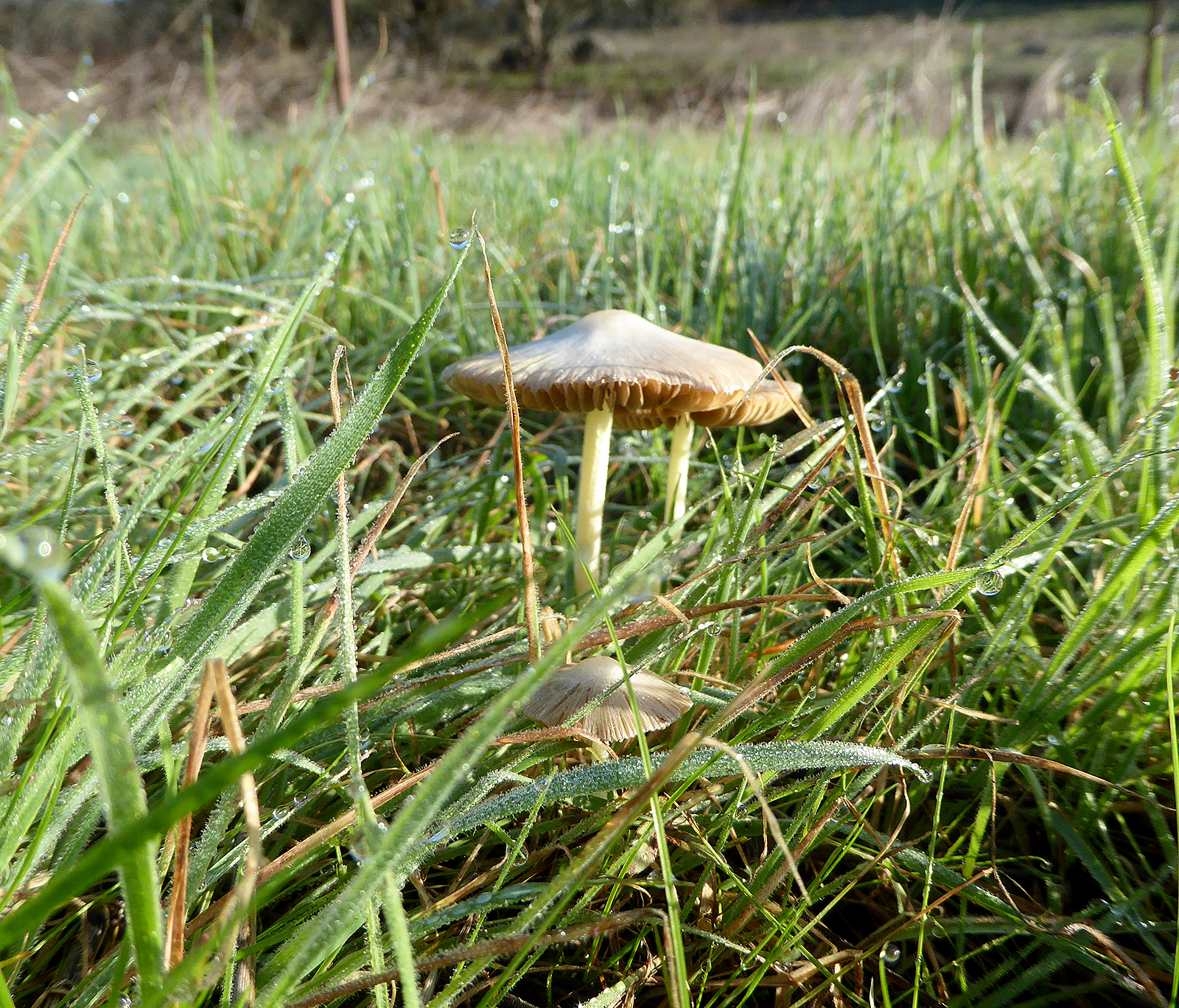
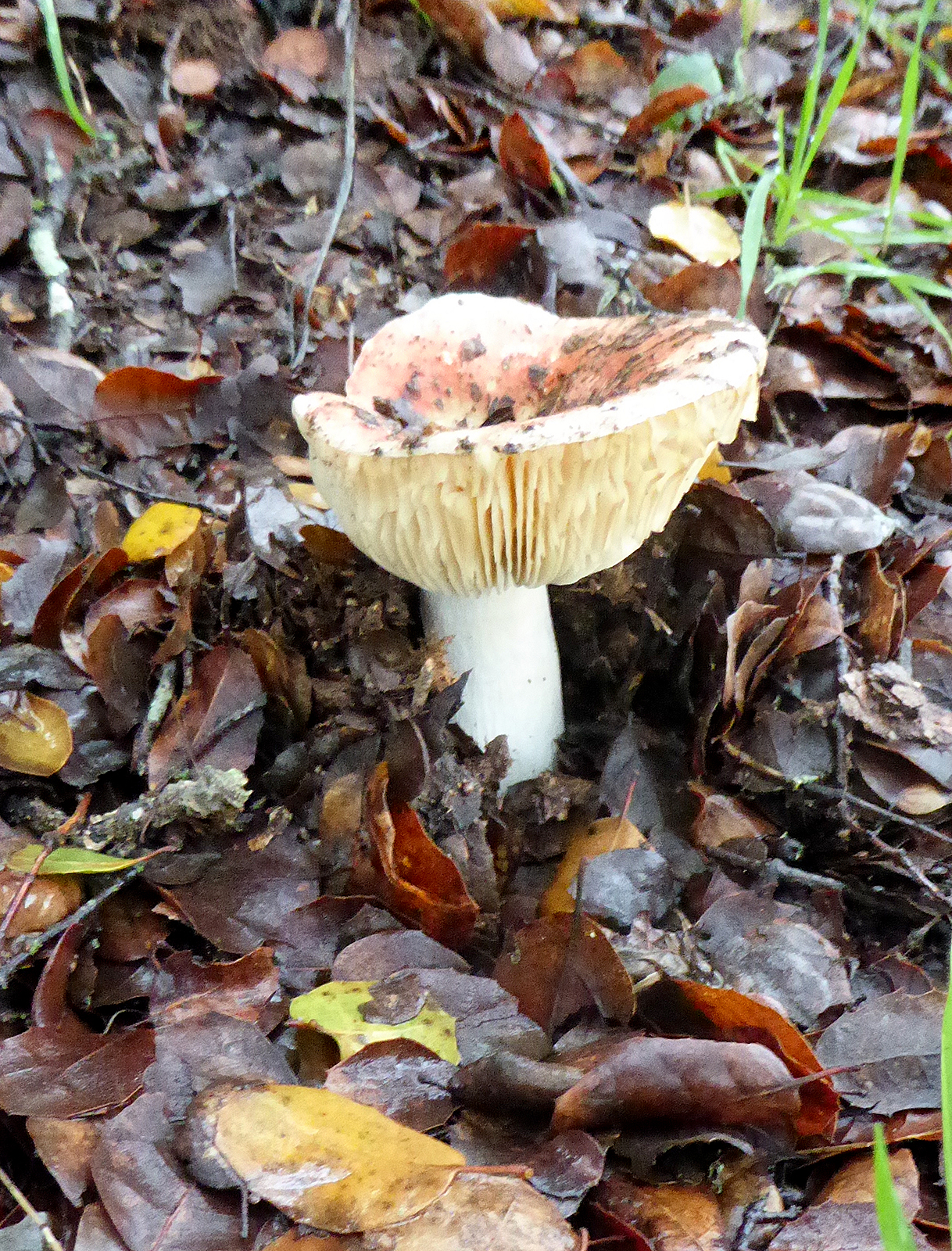
mushroomThis specimen I found near the 4th Street entrance to the Montini Preserve, and I love it’s delicate stem. I had to get quite close to get this shot of what is one of the smaller varieties. On the same day I found nearly the opposite, one with a six-inch cap that had only recently popped up above the dead leaves of the forest floor.

For help in identifying a particular variety, there are a number of strategies:

Whether you are trying to identify a particular variety or simply enjoying seeing them pop up in the season of the fungi, it’s yet another reason to get out on the trails and enjoy what they have to offer. See you on the trail!
A Skill Gained From Rocks and Rivers

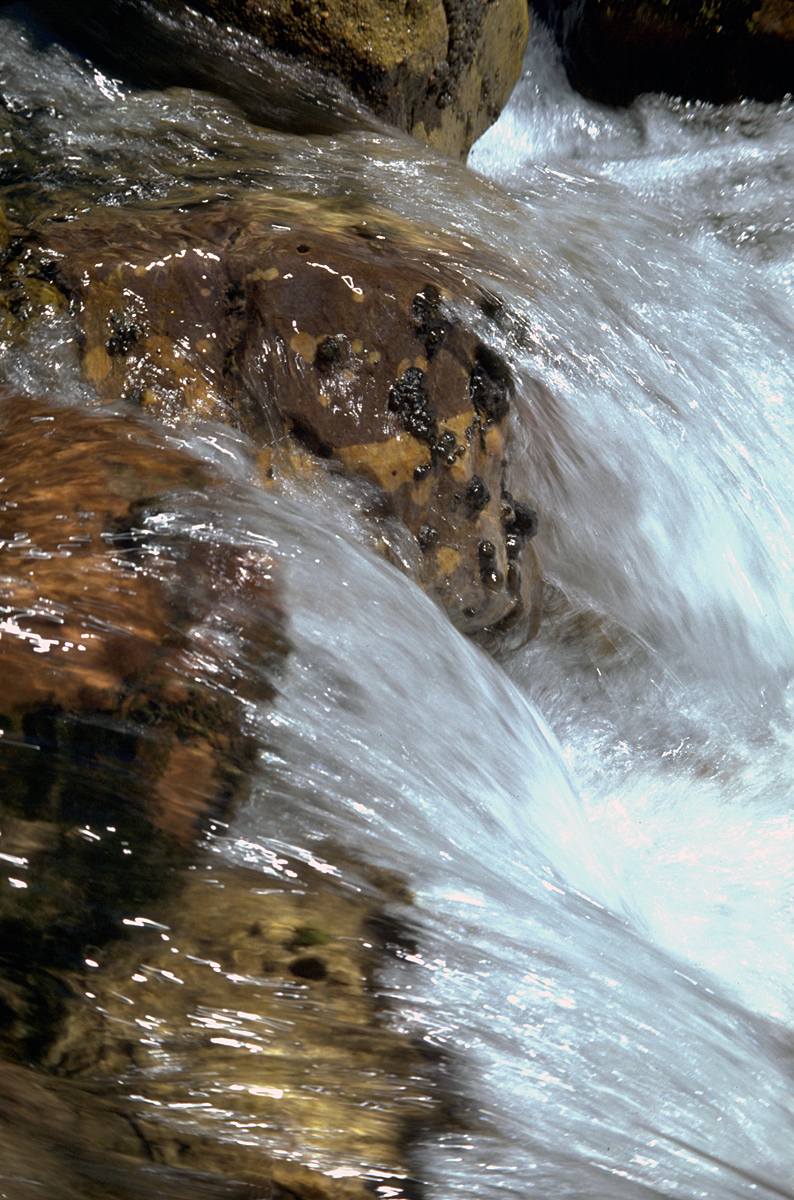
001060_lThe other day as I was tripping down the Overlook Trail alternately dodging rocks and using them as stepping-stones, I was reminded about how I had gained a useful life skill. It no doubt began when I was young, first on an Indiana farm (before I turned 6), then later in the foothills of the Sierra as a teenager and young adult.

But it was really solidified after I started running trails at 18, in both Yosemite and the Grand Canyon. I don’t think there are any rockier trails, especially since a number of the trails I ran and hiked in the Grand Canyon were not maintained. When you run really rocky trails you need to make split-second decisions about foot placement while also keeping an eye out for what’s coming up. In other words, you need a highly-developed sense of spatial relationships, often down to fractions of an inch.

At 21, I honed these skills further by becoming a commercial river guide. I began by guiding on the Stanislaus River in  California, now buried by the New Melones Dam. As a river guide, you need to be very aware of just how the water is flowing downstream, and how it interacts with the shore and rocks in the river bed. Again, skill with understanding spatial relationships is very important.

After guiding for one summer in California I got a wonderful opportunity to raft the Grand Canyon on a 30-day private trip. After learning to raft on about 1,500 cubic feet per second (CFS) of water flow, I was suddenly on up to 20 times that much water, flowing through a much larger river bed. I trashed through the first rapid because I didn’t yet have the scale down. I didn’t grasp the vastly different spatial relationships of a big water river. In my mind, I was still rafting a small water river.  But I learned quickly, and that was the last Colorado River rapid I bungled that badly.

These spatial skills saved my life at least once. Sometime later I was driving south on Highway 101 north of Willits at freeway speeds and I noticed a car passing oncoming traffic. I saw that the driver would have just enough time to duck back into his lane before I reached the car, so I didn’t fret. Until, that is, he ducked back into his lane and I saw that there was another car behind, also passing. At that point I was virtually on top of this second car, so I instinctually swerved onto the shoulder of the road and we passed three abreast. I knew that I could do that maneuver because I could make split second decisions about space. And I was also extremely lucky that the other driver didn’t do the same.

Today, I rarely experience anything nearly as dangerous or exciting as I’ve described. But every time I trip down the Overlook or Montini trails at speed, I know where I got the skills needed to do it safely. They were earned, one day at a time, on many rocky trails and rocky rivers. And I’m here today because of it.

Icy Trails

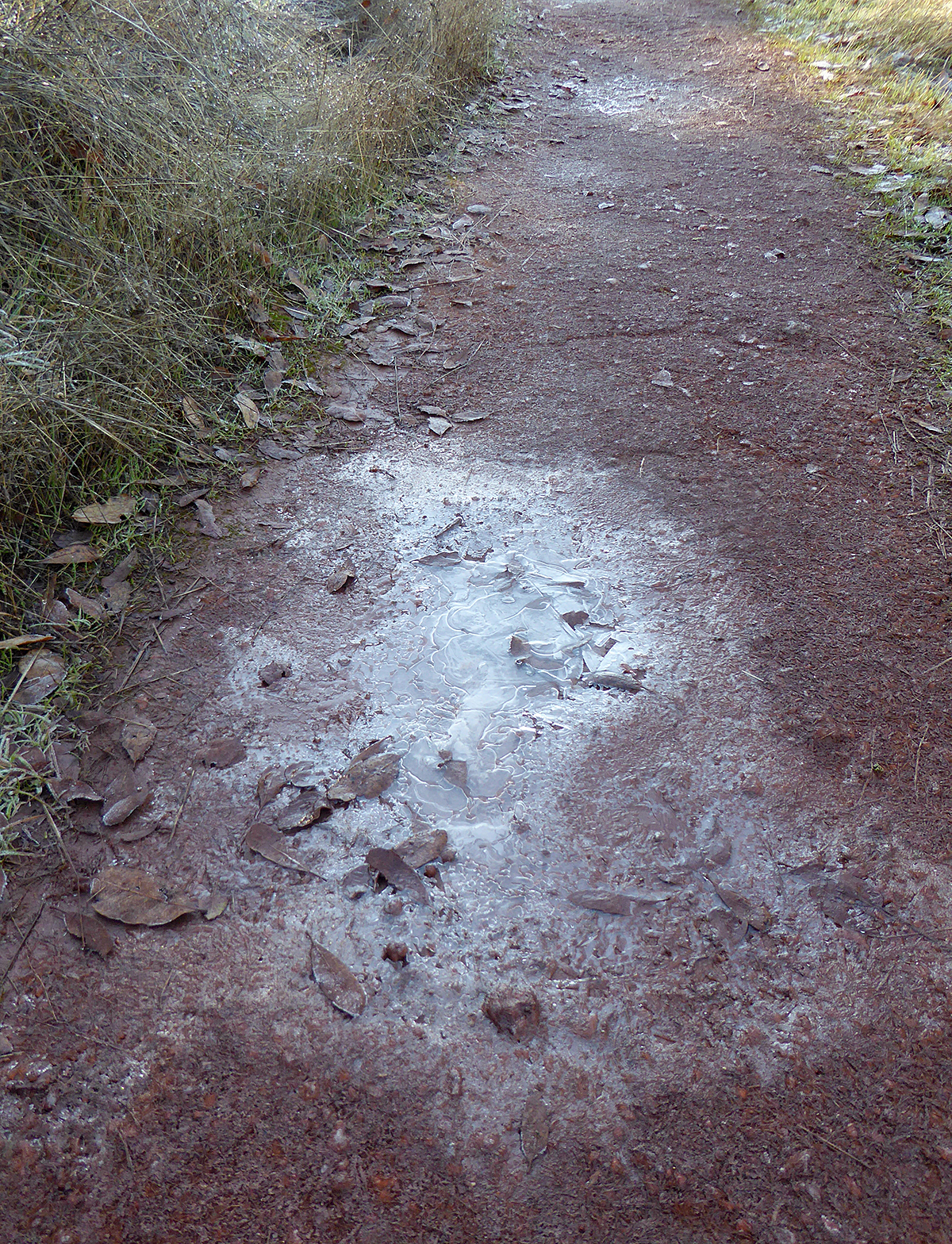
P1000853A high pressure ridge is staving off the clouds leading to clear, cold nights. Recently overnight temperatures have dipped into the 20s, which leads to our damp trails turning icy. This can of course mean danger to those not paying attention or moving too fast. Runners in particular need to be cautious where the trail is icy or muddy.

Or, if you want to avoid the ice altogether walk in the afternoon, after the warmer daytime temperatures (typically in the 40s-50s) have a chance to melt the ice. You will still have mud to contend with, but it is generally less slick than ice.

Bottom line: stay safe out there while enjoying all the great things our trails have to offer.

Seasonal Creeks

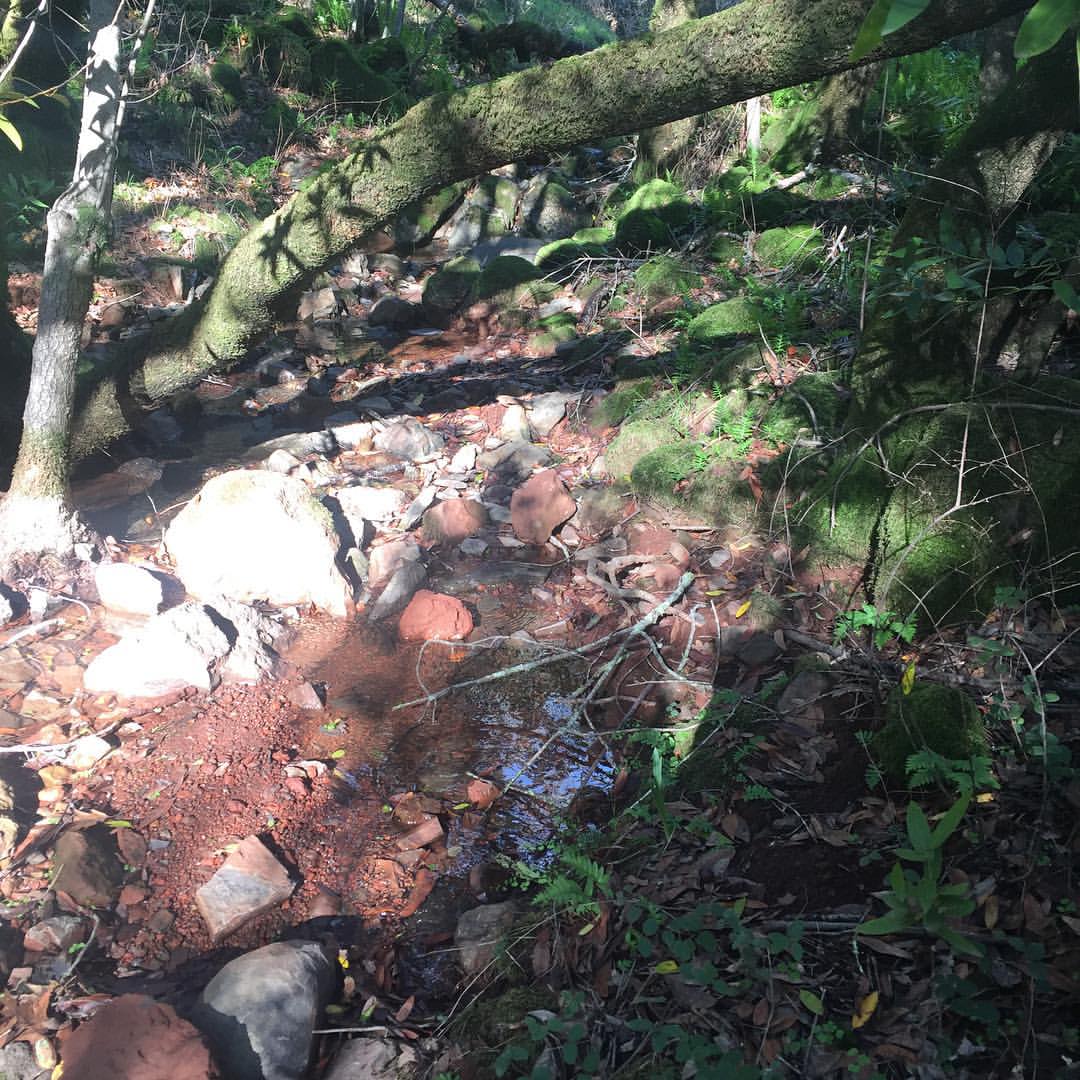
12377639_10153144331341786_3674935992491065197_oSeasonal creeks are by definition creeks that only have water during the rainy season. In California, the rainy season can potentially stretch from early Fall into late Spring, although variations in weather patterns can of course add nuance to that schedule. However, for truly seasonal creeks it usually takes a fair bit of rain to form the runoff required to start them up.

So although we’ve had rain just about every week for the last month or so, it was only with the latest storm that we began to see the seasonal creeks on the Overlook Trail and the Montini Preserve begin to run. Specifically, the creek that runs through what I call “Fern Glen” and across the Overlook part of the Rattlesnake Cutoff trail, has begun to run (see pic).

This is good news, as it means that our storage reservoirs will also begin to fill. And having been in a multi-year drought, this is definitely good news. However, runoff by itself isn’t necessarily good. We should trap as much of that as we can into the aquifer, where those who draw from water wells can take advantage of it. To a large degree, this means slowing down the runoff and making it soak into the ground instead of running directly to the bay.

Personally, I think we have a ways to go before we can say that we are doing the best we can at water capture in this valley. Until we figure out how best to harness our seasonal creeks to maximize underground water storage, we perhaps deserve the droughts that we will likely increasingly get.

Teamwork on the Trail

IMG_2609

Teens and adult volunteers worked together.

You might think that the life of a volunteer trail steward is all glitz and glamor, and no one would fault you for thinking so. But no…it’s actually a life of picking up trash, reminding hikers of the rules, kicking loose rocks and branches off the trail, reporting trees down, and of course maintaining the property in as fine a condition as we possibly can.

It was this last responsibility that brought out a crew of 10 stewards and Sonoma Valley Teen Services members this past Saturday to reseed and cover with straw and jute webbing a shortcut (also called “rogue”) trail. This trail is very steep and prone to erosion, as well as being a hazard for hikers who walk down it in sometimes very slippery conditions. After letting it go for a while we decided that we needed to close it off for both hiker safety as well as to better protect the condition of the property.

Under the direction of Steward Fred Allebach, stewards and teen volunteers hauled seed, straw, rolls of burlap webbing, and other materials to the Upper Meadow Loop. They scraped the soil to prepare it for the seed, laid down the seed, covered it with straw, then webbing, then more straw.  Thankfully the rain held off until the next day. The soaking should give the seed a good start toward germinating.

We are very grateful to have a partner like Sonoma Valley Teen Services with which to work with on this project, as well as the individual teens who participated. If you would like to support the work of Sonoma Valley Teen Services, see their support page.

If you would like to support the work of the Sonoma Overlook Trail Stewards, donations are tax deductible and can be sent to “Sonoma Overlook Trail Fund,” c/o Linda Felt, 18782 Deer Park Drive, Sonoma CA  95476.

FullSizeRender (5)

Steward John Donnelly tacking down the webbing, with the town of Sonoma below.

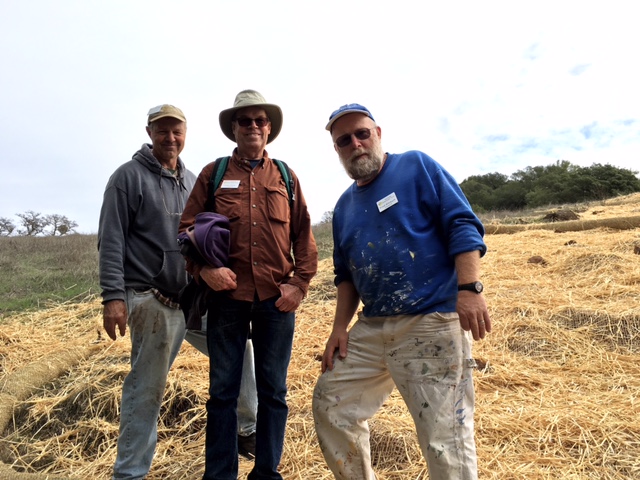
Stewards Rich Gibson, Lynn Clary, and Fred Allebach after a good day's work.

Stewards Rich Gibson, Lynn Clary, and Fred Allebach after a good day’s work.