
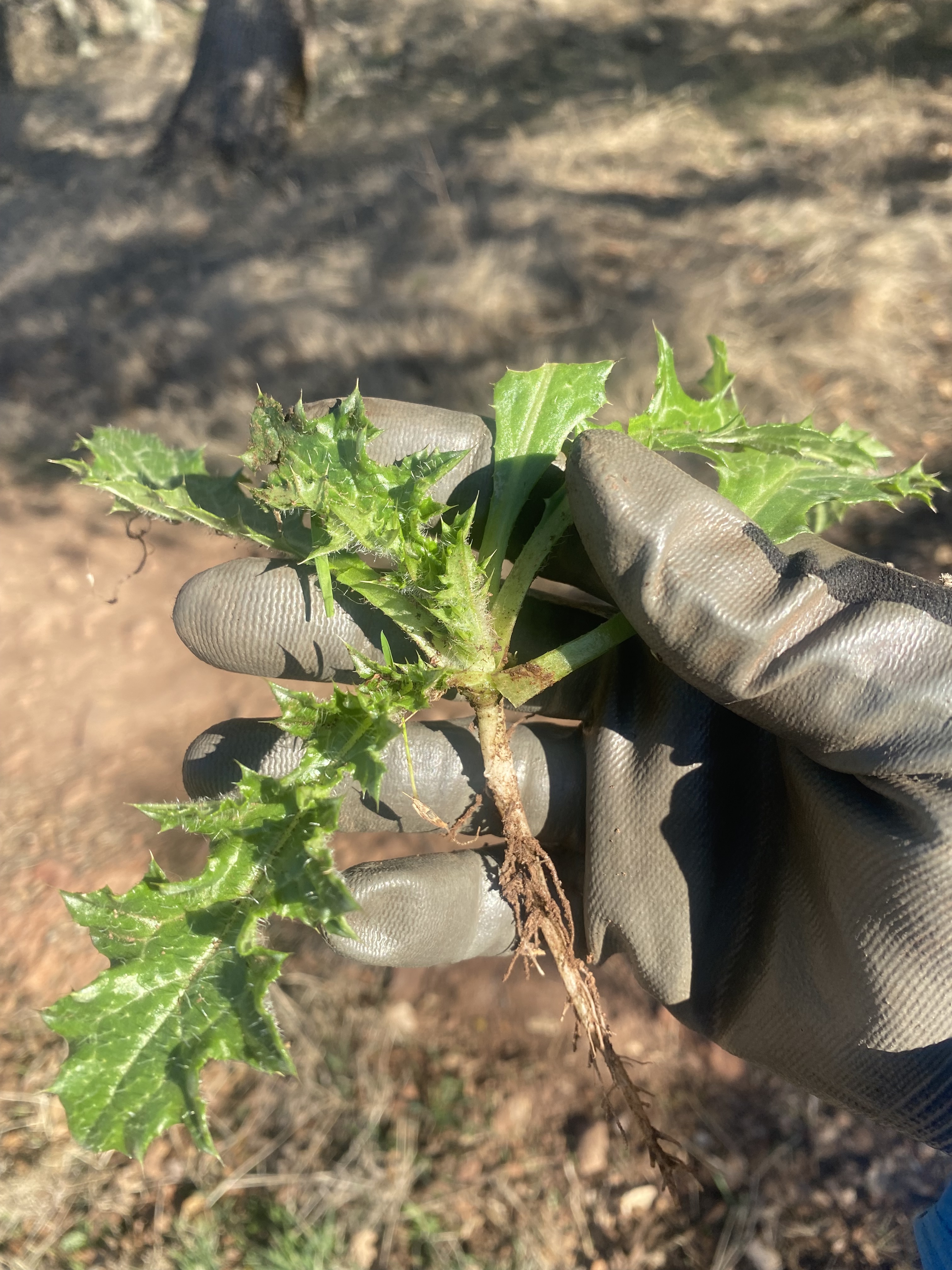
A young Italian thistle.
I know what all five of you who read this blog are thinking: “Oh no, not again!” you’re groaning. And I don’t blame you.
Yet again I’m blogging about invasive species management on the Overlook and Montini properties, as I have for years. But as you might imagine, there’s a reason for that, and it’s because we’re in a decades-long fight that we may never win. So buckle up, buttercup, here we go again!
I first sighted Italian thistle popping up in early November. Certainly by November 8, two days earlier than last year, I noticed more than one patch of it. Therefore, today I went out on the Montini Preserve and pulled not only the one pictured plant (the largest one I found today), but also many other, much smaller plants. The game is definitely already afoot, thanks to some early rains.
So far I’ve been unable to tell if our previous work has made much of an impact on the problem. My instinct is that we haven’t yet, that we still have a ways to go to seriously reduce the seed bank present in the soil. There seem to be plenty of plants along the trail on the Montini, which is where I’ve focused much of my attention, so there doesn’t seem to be much progress there. Yet.
But if there’s one thing I know, it’s that invasive species management is a long game. And few people know what the long game takes better than I do, I submit. So once again I saddle up, and enter the fray. I’ll see you out there.


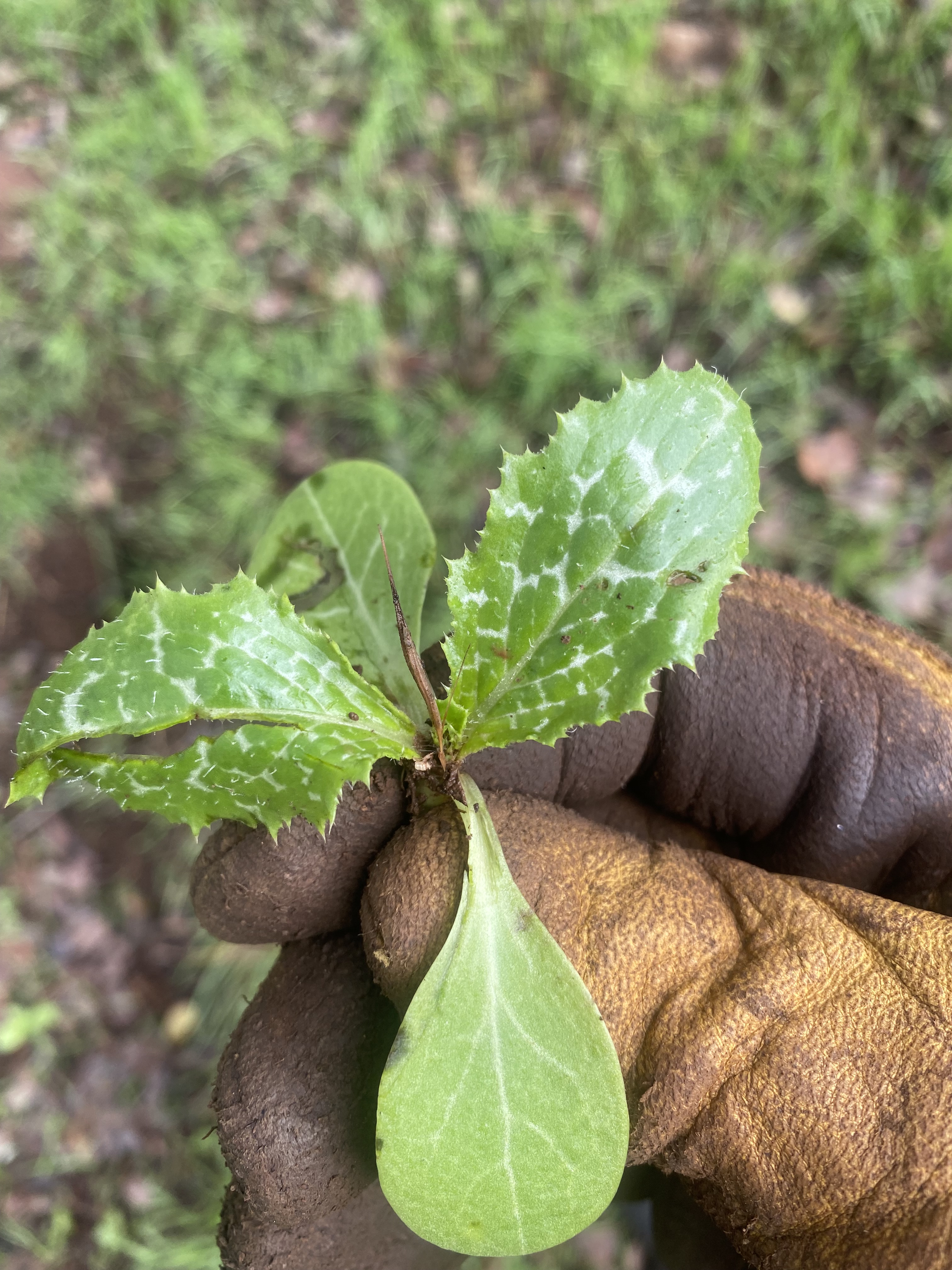 Today I realized that the invasive species removal season had started — earlier than it ever has during my tenure. The earliest I had started removing Italian thistle from the Sonoma Overlook and Montini Preserve properties had been in December. But now, with our early rains this season, the thistle has already started coming in (see pic). This essentially cuts my “down time” from four months to three, meaning the thistle removal season is going to be nine months long this year. Ouch!
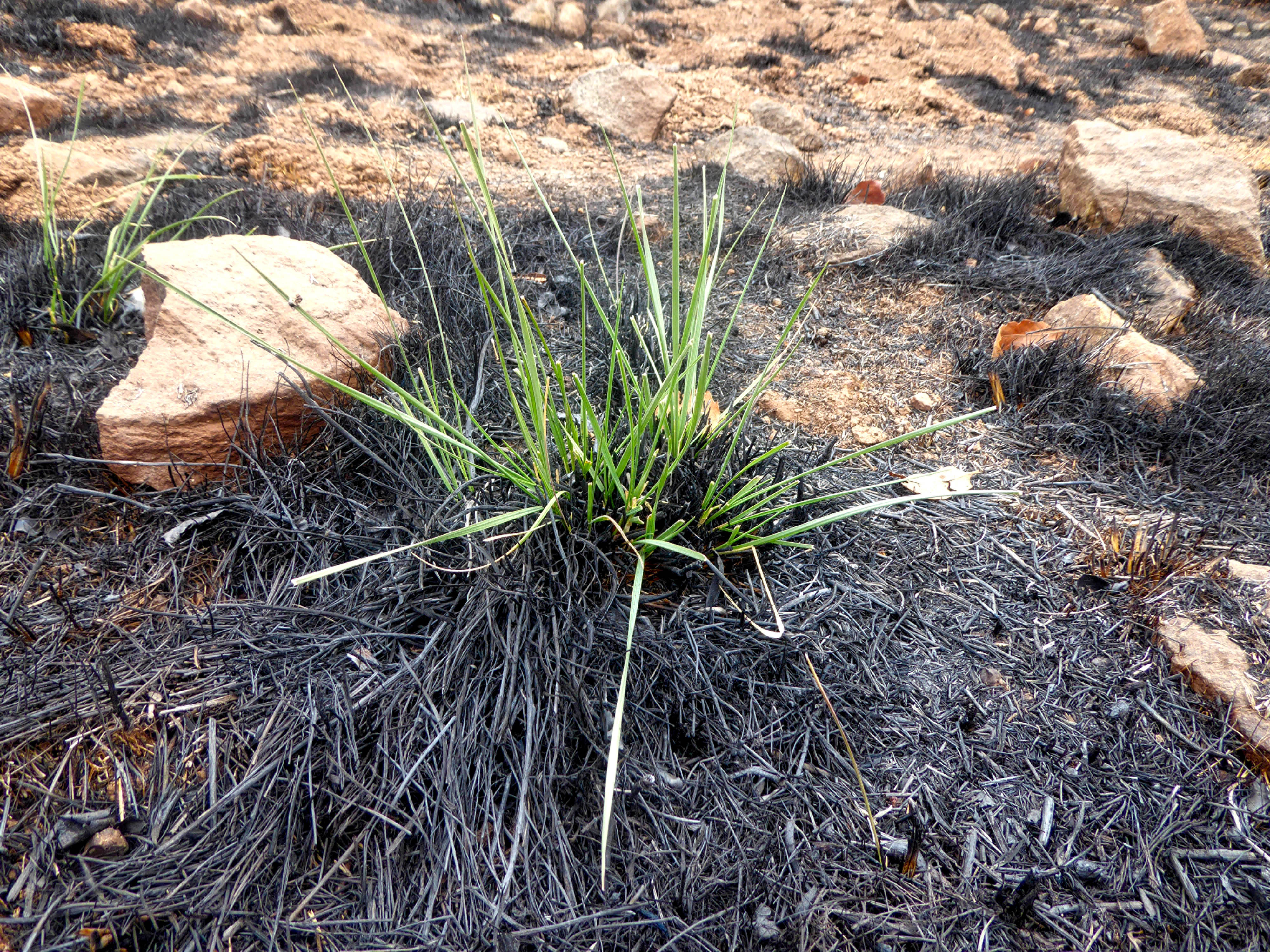 It’s always interesting to me to see how quickly nature responds to fire scars. Where once there appeared to be, quite literally, “scorched earth,” plants begin to return the ecosystem to something more like “normal,” if that is a concept that even applies. In reality, fire is a part of “normal” as we seem to finally be discovering in this desert state of ours.
 Sonoma Overlook Trail • Montini Open Space Preserve