We’re Done for the Season

Anyone who has been reading this blog knows that we have been fighting a multi-year fight against invasive weeds. One of them that is both prevalent and absolutely ready to take over every meadow it encounters is the Yellow Star Thistle (YST). We have been working to eradicate it from the Overlook (for at least the last five years) and the Montini (for at least the last three) properties.

As of today, I can report that this year’s campaign is over, and we have triumphed. Last year we found three additional areas that we had not previously been pulling. This year we found an additional one. We cleared them all.

But better than that, we saw this year that areas we had been pulling for several years were now either clear or nearly so. So each year it gets easier and easier to fight it. It has now been reduced so far that basically one person working from May thru July can control it. And subsequent years will be even easier.

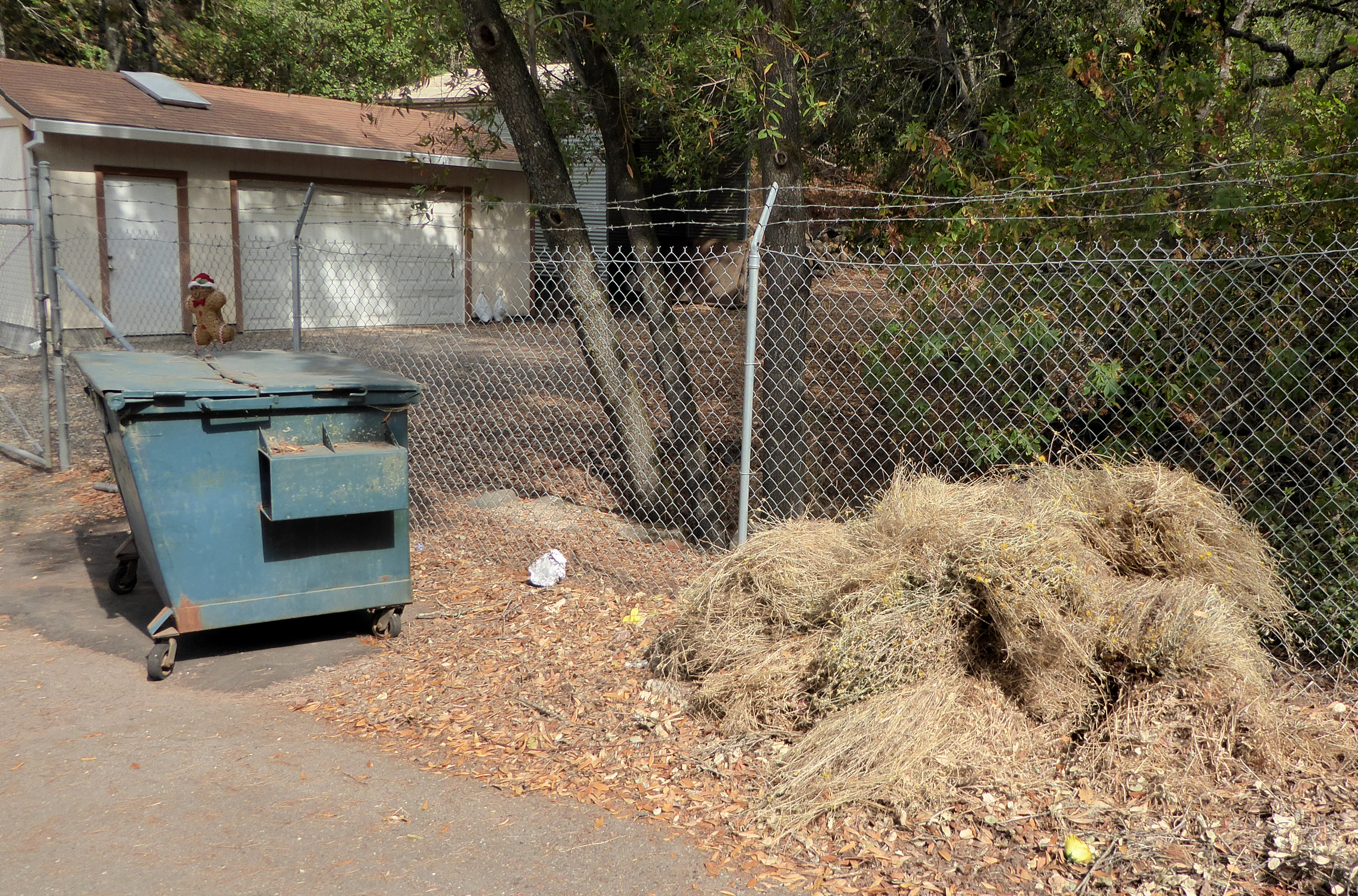
I don’t mean to denigrate the threat. Even the new meadow that was discovered this year on the Overlook property meant an additional 8 1/2 bags (see photo, which isn’t all of it) of YST was dragged off the property. But we are seriously seeing progress, and that is worth noting.

But we are also expanding our scope. This year we started tackling the Italian Thistle, which in this wet year had become rampant along the trail. We focused on the trail, and largely removed it, but it also exists in a lot of places off-trail. It remains a challenge. On the Montini property it is so prevalent that it seems unassailable. This is depressing, especially when you know that it will only get worse.

But if you feel inspired by this post, let me know. You won’t be called upon until next May. I have large contractor’s debris bags to hold the spiny plants, and can give advice on how to pull them without serious danger. The only other thing you might need is a glove. And we can make it a group outing that might even have food and/or drink involved.

But be forewarned — if you start on this path, it can easily lead to an obsession. I know this for a fact.
We’re Winning!

endofseasonFor the last five years we have been trying to eradicate the Yellow Star Thistle (YST) from the Sonoma Overlook Trail. For the the last three years we’ve also been trying to do the same for the Montini Preserve. Today I ranged all over the SOT upper meadows and emerged with about half a bag of YST. This is a great improvement, and demonstrates that our campaign is making a difference. There is now so little on the Overlook that searching for it may almost be a waste of time, so now I will switch to the Montini, which is likely to still have serious infestations of YST.
This year we also started tackling the purple thistle, which has overrun the Montini but hasn’t yet done so on the Overlook. We focused on getting it off the sides of the trail, as that is a primary way that it spreads. Next year we will begin earlier in the year fighting the purple (YST comes on later in Spring than the purple).

If you want to help out, let me know. I have contractor bags and the only other things you need are a glove and persistence.

Signs of Spring

Spring is definitely in full swing. Wildflowers such as lupine and California poppies are in profusion, as are the butterflies that frequent the also prevalent Blue dicks (like the Swallowtail pictured).

The trail is mostly no longer muddy (until the next rain, at least), so now is a great time to get out and enjoy the warmth and the wildlife. Just keep your eyes peeled for rattlesnakes, as they have already been sighted on the trail. Other wildlife to look for include squirrels, deer, lizards, and wide variety of birds, from Red-Tailed Hawks to Red-Shafted Flickers to Great Horned Owls (all of which have been sighted from the trails).

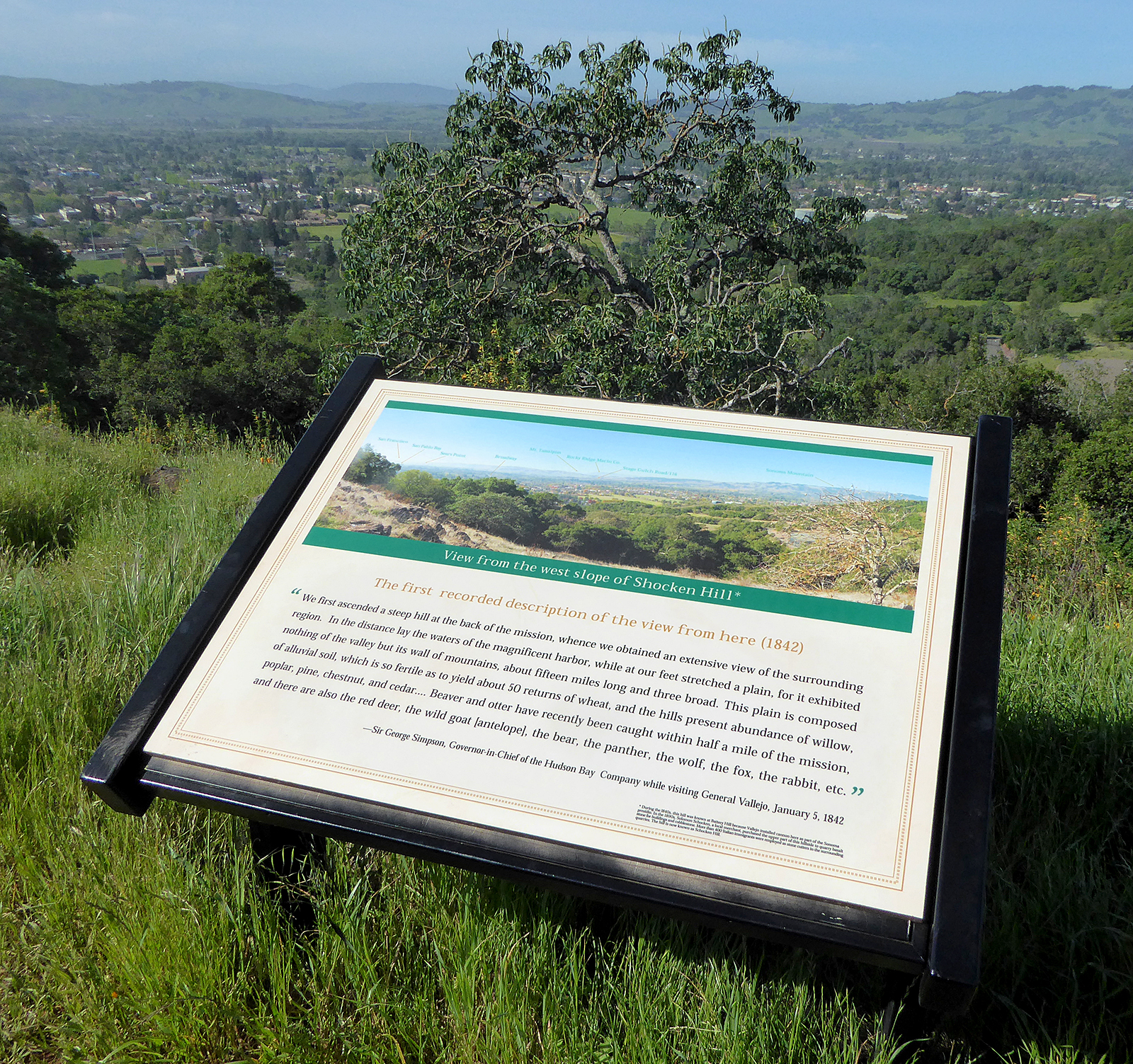
Another sign of spring is, well, a sign. We just replaced the sign at the top of the trail that describes a little of the history of the area and names some of the surrounding sights viewable from the upper meadow. On the Overlook Trail, costs such as these are borne by the volunteer Stewards of the Overlook Trail group, which
collaborates with the Sonoma Ecology Center that serves as our fiscal agent. But anything that costs money to maintain or upgrade the trail and property requires us to raise money through events, donations, etc. If you feel so moved, please click on our “Donate Now!” link in the righthand column.

In any case, enjoy all of the sights of spring and stay safe out there!

We’re Winning!

P1010218Faithful readers of this blog (all two of you, and one is my Mom) will know that we’ve been fighting the good fight against the invasive non-native Yellow Star Thistle on both the Overlook and Montini properties. The season for pulling it runs from mid-May to August. Now that we are in August, when the weed dries out and the seed heads drop off, we must quit.

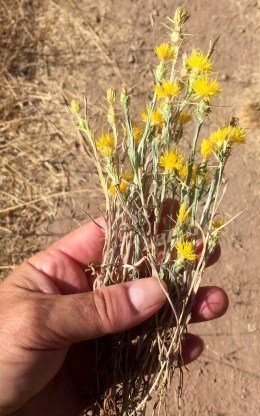
But I’m here to tell you that we are winning the war. This is the second year that I can certify that all of the infestations on the main properties of both the Overlook and the Montini have been essentially cleared. Judging from the number and size of the plants we are pulling in most areas (see the small plants pictured), we are depleting the seed bank, which can be viable for up to five years.

We could not have reached this point without essential assistance from Rich Gibson, a biologist and a Sonoma Overlook Trail volunteer steward, and the Sonoma Ecology Center’s EnviroLeaders program. Twice, at least half-a-dozen teenagers from the EnviroLeaders Program came out and helped decimate the worst patches of Yellow Star Thistle on the Montini Preserve. Tony Passantino, the SEC’s EnviroLeader’s program manager, has been very willing to bring his team out to support our removal efforts whenever we called for help. And the teenagers who are a part of this program are willing hard workers and ready to learn about the environment and how to keep it great. We so appreciate their help.

Next season expect a call to go out for help in decimating this scourge. And if you see it, please consider helping. The situation gets better every year, but we are still years away from eradicating it completely. We can use your help to make YST only a memory on these properties.


California Naturalist Training in Sonoma

“California is an incredible place to be a naturalist.”

So begins “The California Naturalist Handbook,” the standard textbook for a rigorous UC-approved course designed to turn local nature lovers into trained California Naturalists. These knowledge keepers act as park docents and as key leaders in the “citizen science” movement helping to shape California’s future.

Right now, Sonoma Ecology Center is teaming up with the University of California Division of Agriculture and Natural Resources to offer this accredited eight-week course locally – and we’re looking throughout Sonoma and Napa counties for people interested in joining the elite and venerable league of California Naturalists.

The course results in real college credits – but even better, it turns nature lovers into certified graduates of the UC California Naturalist Program, making them valuable authorities on California’s plants and animals, geology and soils, water, climate, biodiversity and much more.

California Naturalist courses are available at certain locations throughout the state, but this is the first time such a course will be offered at Sugarloaf Ridge State Park. The course, held Monday evenings from 6 to 8:30 p.m., will run from Sept. 19 to Nov. 19 at Sugarloaf Park’s Robert Ferguson Observatory. Speakers will include professors from local colleges and universities and experts from Cal Academy and the Sonoma Ecology Center.

The course also will include four five-hour fieldtrips (Oct. 8th, 22 and Nov. 12, 19) lead by field experts in and around Sugarloaf Ridge State Park. As their final project for the program, each naturalist-in-training will complete an eight-hour volunteer service learning project for a community organization. Participants of this course will graduate with a specialized knowledge of the oak woodlands indigenous to the Mayacamas Mountains.

“We are thrilled to be offering the California Naturalist certification training this fall as an expansion of our education programming at Sugarloaf,” said Sonoma Ecology Center educator Tony Passantino. “Bringing an accredited college course to this state park at the heart of Sonoma and Napa valleys is a rare opportunity.”