
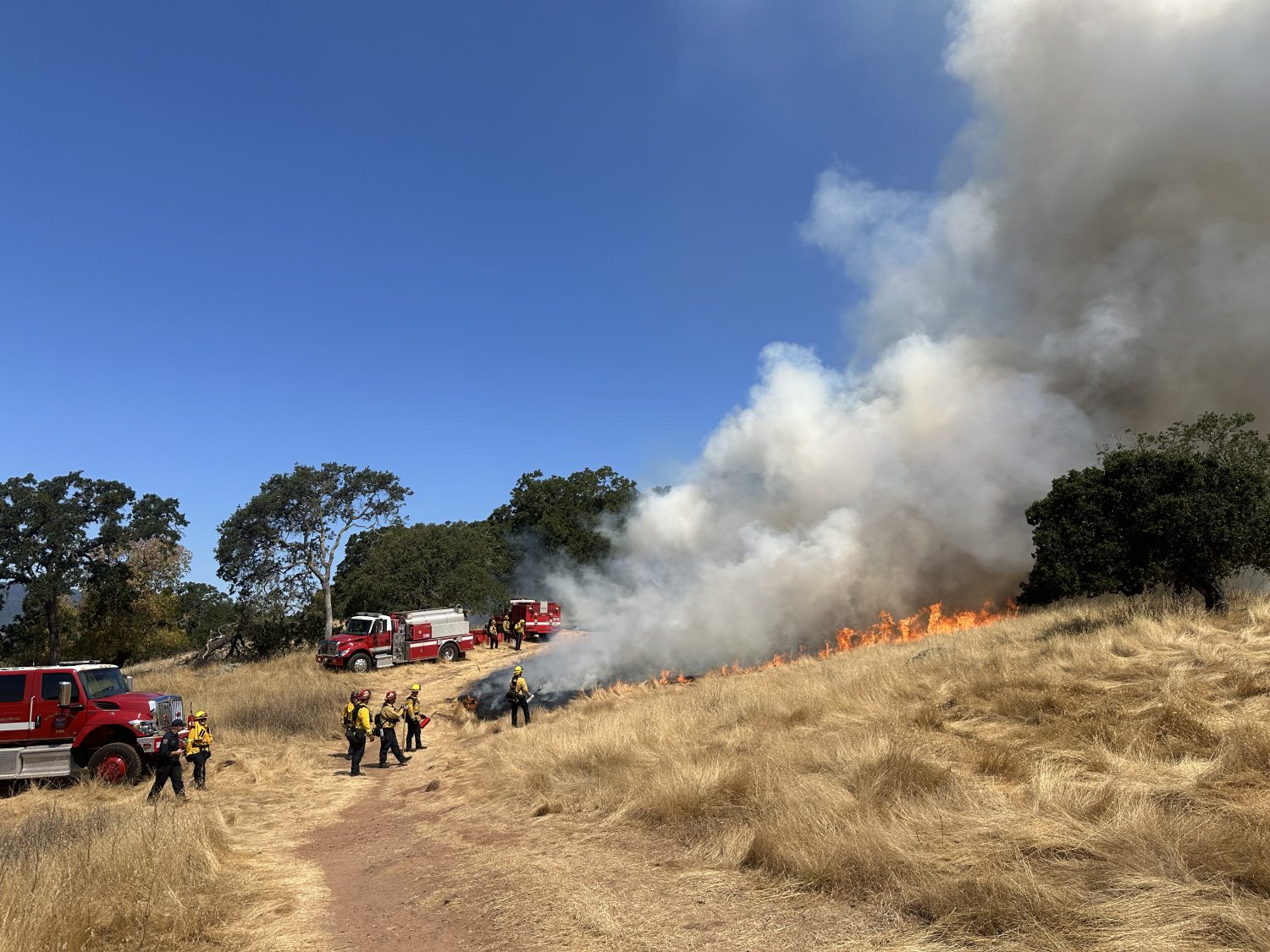
The burn begins
If you visited Montini Open Space Preserve, our sister trail system, last summer, you’ll have seen the rather shocking, charred landscape resulting from the 20-acre prescribed burn that took place in the central meadow and surrounding forests to reduce wildfire fuel loads and risk for Sonoma and its neighborhoods, manage invasive species, and support other long-term ecological goals for the preserve. The project was a collaboration of Sonoma Valley Fire District, in partnership with the City of Sonoma, Sonoma Ecology Center, CAL FIRE, and other agencies. The Overlook was assessed for a burn as well, but as our layout is less accessible to water, one has not been prescribed.
Months later, as expected, Montini is well on its path to renewal. Richard Dale, Director of Sonoma Ecology Center, offered his assessment and encouragement as the recovery process unfolded:
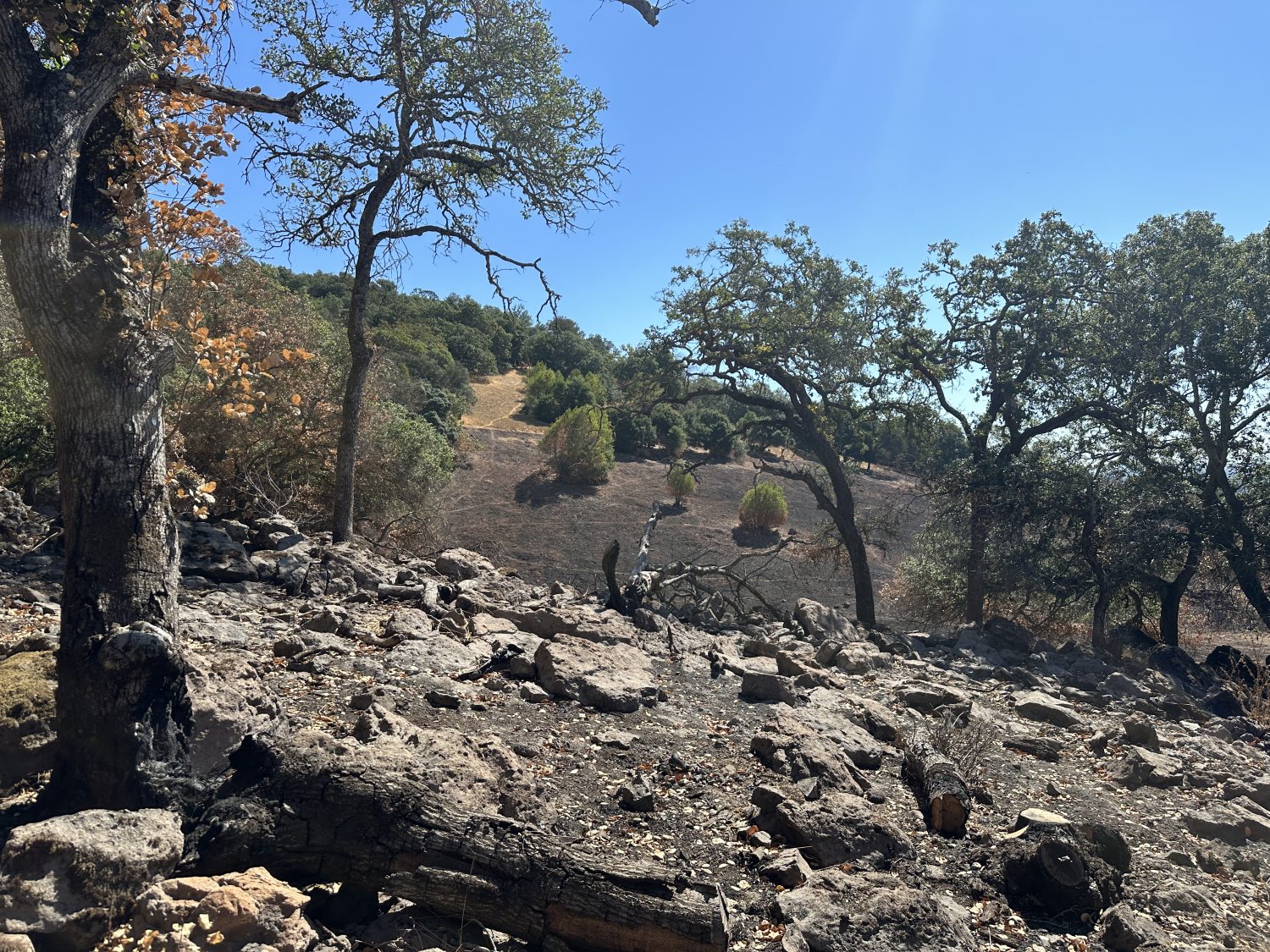
A moonscape of charred earth
“I see significant recovery happening, as we’ve seen even after uncontrolled wildfire, especially in places like Montini where the fire was (intentionally) cool and mostly stayed on the ground. Many of the trees I thought were damaged appear to be fine, with new growth happening in the upper canopy, and likewise things are recovering on the ground with native shrubs and grasses sprouting. Other plants that need fire to keep them from dominating the landscape, like bay, have been reduced somewhat as intended. I also see many kinds of birds, deer, ground squirrels, and other tracks around the burned area–sometimes using it preferentially–far more than I would have expected.
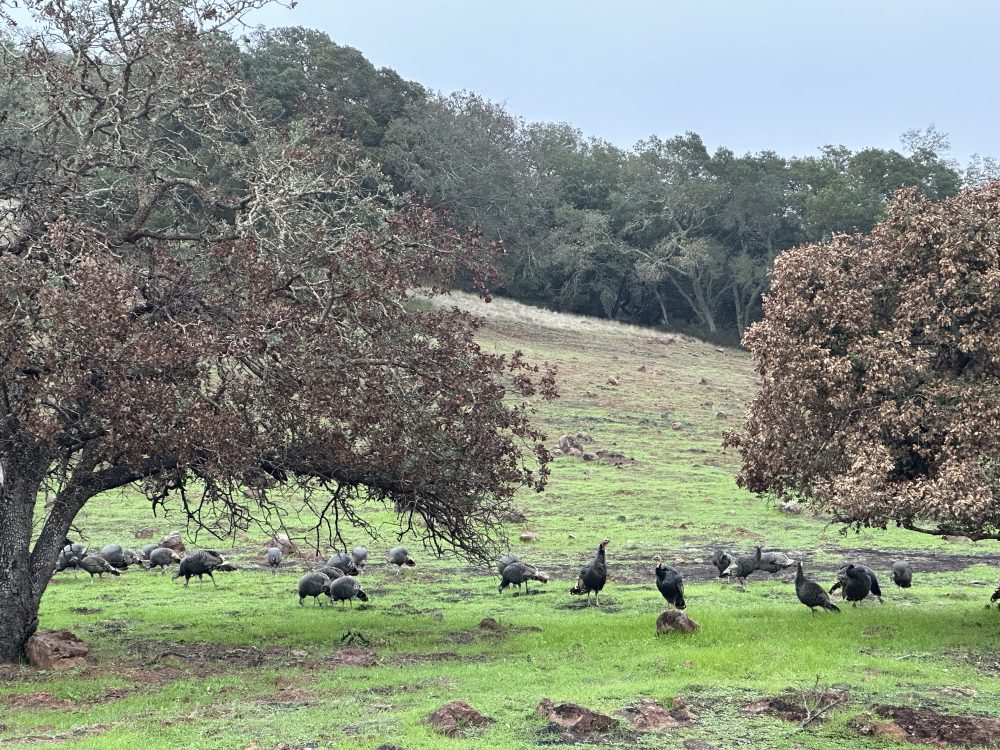
Late fall 2025 on the burn site
As for pile burns vs fire on the ground, as you likely know, cultural or human-assisted fire has been part of local landscapes for millennia, so much so that local landscapes evolved with them, and recent fire suppression has caused major ecological issues: crowded stands of even aged trees that are less healthy and actually store less carbon, more invasive plants, decreased overall diversity, less food for wildlife, higher severe wildfire risk, and so on. There are significant benefits to pile burning, as was done throughout the preserve over the last few years to prepare for the burn that happened in June, and, there are even more benefits from burning.
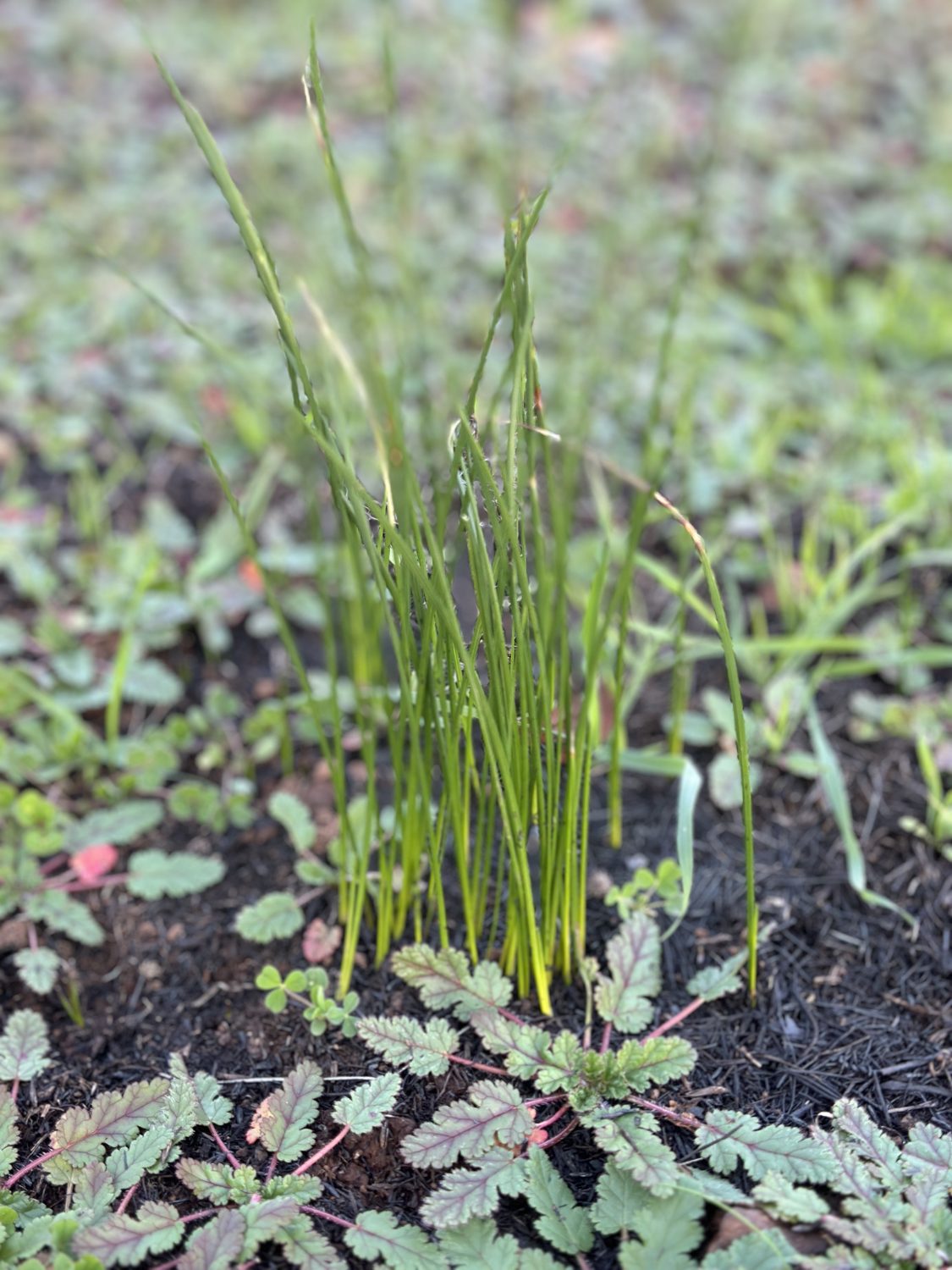
Native grass renewal
The main issue we had with the burn is that it would have been better carried out in the fall so that the period before the wet season would be shorter. This seems appropriate for a place that is used for recreation by people, and it might reduce plant stress from prolonged exposure to higher temperatures caused by sun on the darker ground all summer. Still, local fire agencies and CalFire offered a lot of support for an early burn, because it helps them train their staff, and they have staff available early in the season before they are deployed around the state on wildfires. It also allowed us to target an especially aggressive non-native grass, Medusahead, that is best controlled with earlier burns.
On the whole, I think it will prove better for vegetation, and perhaps even for visitors once the burn area has had more time to recover, and less crowded and larger, healthier trees have established.”
We welcome you back to Montini, where nature continues to triumph, as she does.
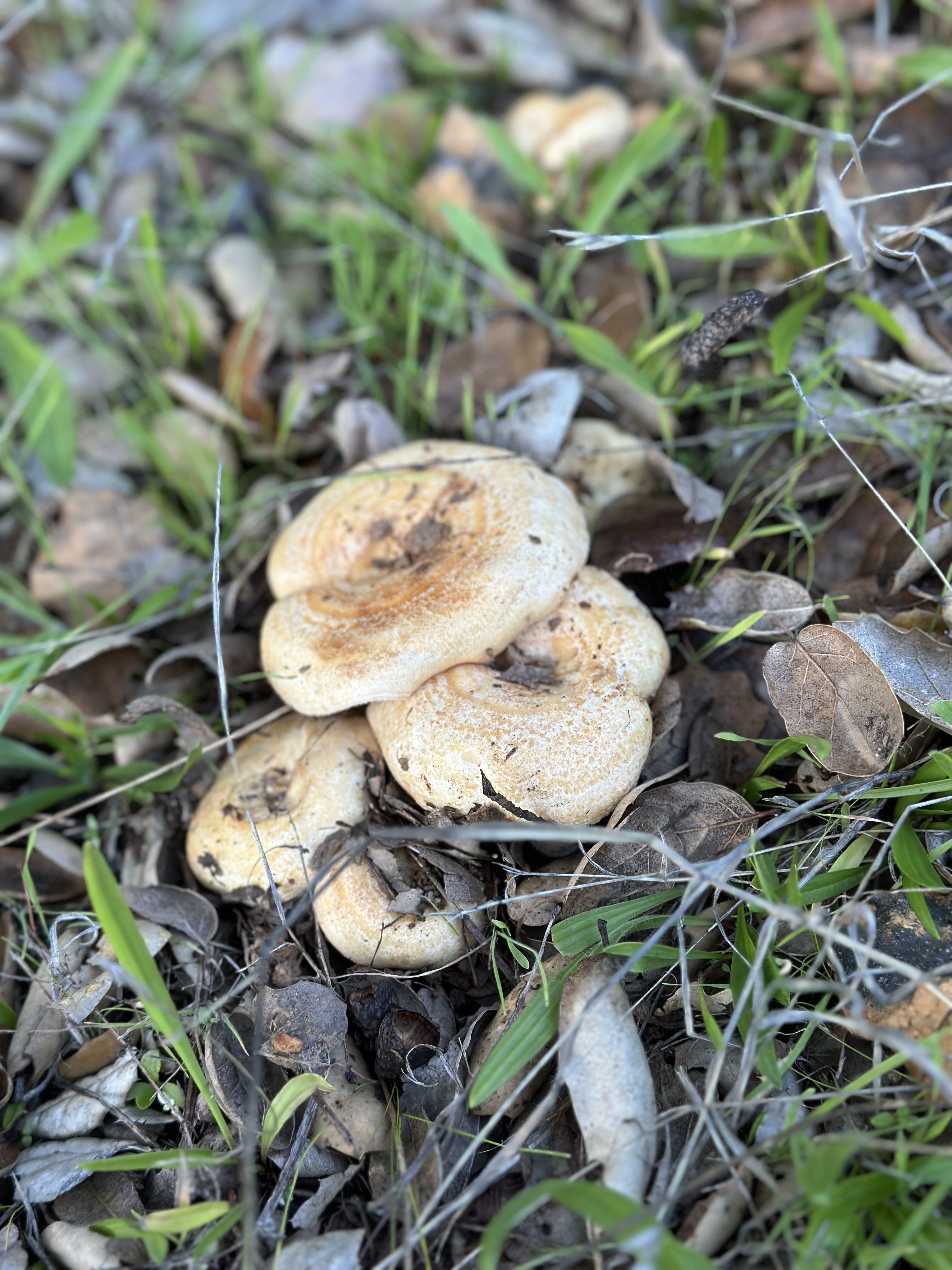

 We’re in the very early days of “Thistle Season,” which sadly lasts from November into August. That’s right, those of us who struggle against thistle get something like 2-3 months off a year. And knowing how relentless invasive species can be, that actually seems generous to this obsessed lunatic. Italian thistle starts coming in as early as the rain does while Yellow starthistle doesn’t come in until much later in the season, like around May and extending into August.
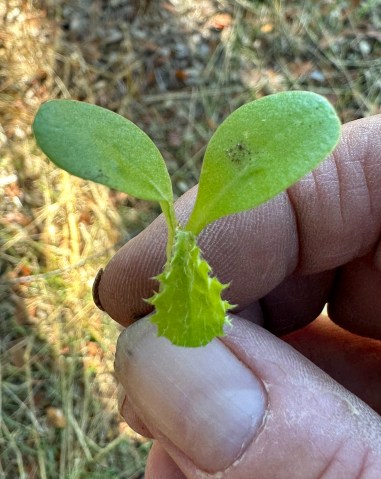 Today I found an Italian thistle (Carduus pycnocephalus) plant (see picture). It’s the earliest I have found it, with the previous record being November 10th. I fault the early rains we’ve had this month.
 Sonoma Overlook Trail • Montini Open Space Preserve