
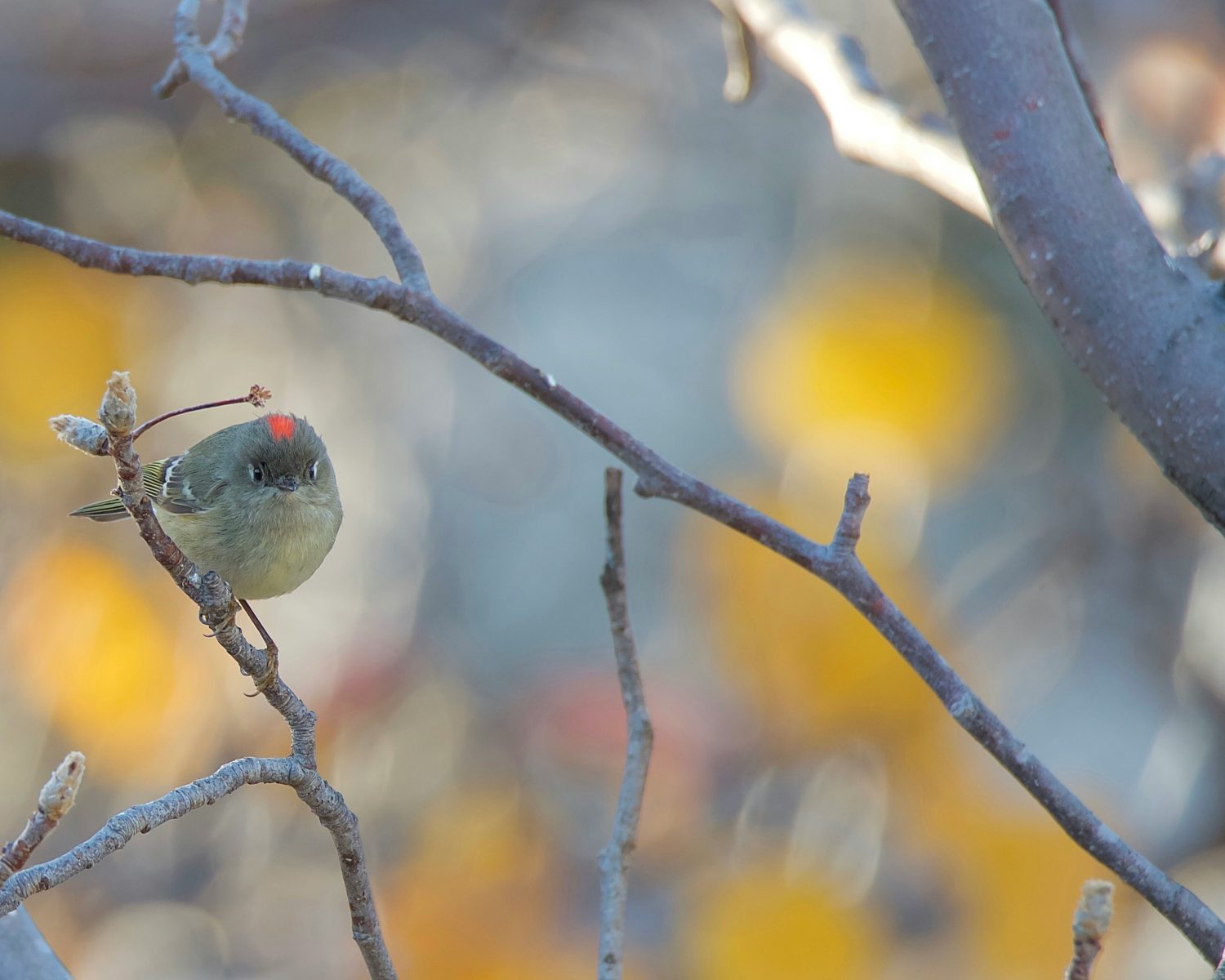
Ruby-crowned kinglet
Winter on Sonoma Overlook Trail brings a quiet beauty, and with it a lively cast of birds that thrive in the cooler, wetter season. As deciduous trees lose their leaves, birds become easier to spot, flitting through oak woodlands, chaparral, and open grasslands.
Who’s over there? Such a restless little bird! A Bewick’s wren, barely five inches long, keeps darting about, looking for tasty insects. Scritch, scraaatch…SQUEAK! And what is that? A male Anna’s hummingbird with its raspy call. When it makes a sharp dive, air passing over its tail feathers creates the loud squeak. Its crown and throat are brilliant, iridescent red. Look for this fellow at the ends of bare branches. How is that woodpecker walking vertically up a tree? It has two toes facing forward, and two facing backwards to keep it from falling backwards. This little “ladder-backed” woodpecker, a Nuttall’s, is just seven inches long. It forages for insects as it circles tree trunks and branches.

Dark-eyed junco
Resident birds remain active year-round, relying on familiar territories to survive the colder months. Dark-eyed juncos and California towhees hop among the leaf litter at the trail’s edge, while Ruby-crowned kinglets and Oak titmice flit among leafless branches, searching for insects.
A Toyon shrub, also known as California Holly, full of red berries is an ideal stop for a flock of Cedar waxwings. When other fruit is scarce, the Toyon feeds these beautiful birds. As one nears the Upper Loop, the open skyline reveals Red-tailed hawks and Turkey vultures soaring over our rolling hills. Turkey vultures are nature’s garbage collectors–they eat carrion so it doesn’t sit around too long.
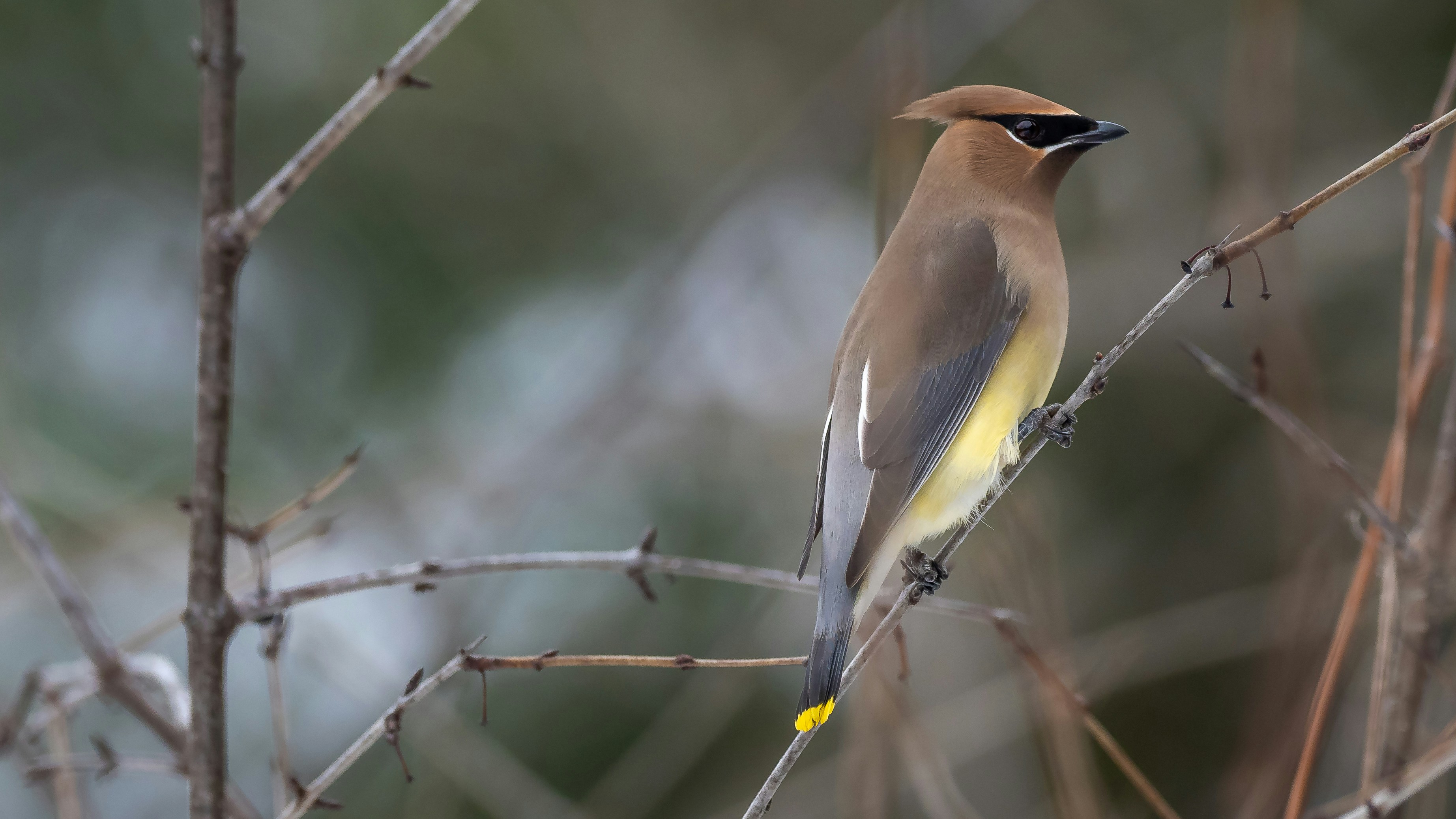
Cedar waxwing
Winter birds play a vital role in Sonoma’s ecosystems, dispersing seeds and controlling insects. They also bring joy to winter hikers.
by Jaqueline Steuer, Sonoma Overlook Trail Steward
Photos: Unsplash
 We’re in the very early days of “Thistle Season,” which sadly lasts from November into August. That’s right, those of us who struggle against thistle get something like 2-3 months off a year. And knowing how relentless invasive species can be, that actually seems generous to this obsessed lunatic. Italian thistle starts coming in as early as the rain does while Yellow starthistle doesn’t come in until much later in the season, like around May and extending into August.
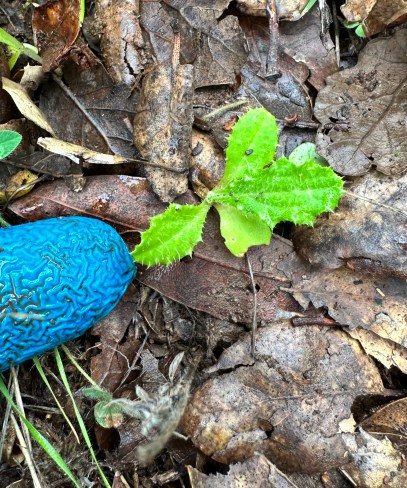 I’ve been pulling Italian thistle (an invasive monster) since mid-November. It’s now mid-March and we still have very young plants coming in (see pic, gloved finger for scale). Today, I decided to call it the “third wave” but I have no idea if it comes in waves at all, or just constantly. Or if it comes in waves, how many can we expect? Five? Ten?
 Sonoma Overlook Trail • Montini Open Space Preserve